In November 2007, this website reported a cholera warning affecting Phuket. That was a historical report, not an alert for people visiting the island today. The original article cited case totals that have not been independently verified against a primary public-health record. Travellers should not use those figures as a description of Thailand’s present situation.
The useful question is what cholera actually is, how to reduce food- and waterborne illness risk while travelling and what to do if severe diarrhoea develops. These precautions matter on Phuket and elsewhere, even when there is no active cholera outbreak.
What is cholera?
Cholera is an intestinal infection caused by certain strains of the bacterium Vibrio cholerae. It is usually acquired through contaminated food or water, especially where sanitation or drinking-water safety is compromised. Cholera can cause sudden watery diarrhoea and vomiting, sometimes leading to rapid and dangerous dehydration.
Many infected people have no symptoms or only mild illness. A smaller number become seriously unwell and need prompt treatment. According to the World Health Organization’s cholera fact sheet, oral rehydration solution is essential for many patients, while severe cases may require intravenous fluids and further medical treatment.
Does Phuket currently have a cholera outbreak?
An old headline cannot answer that question. The US CDC’s Thailand chapter in the Yellow Book describes rare sporadic cases in recent years, with no active cholera transmission or outbreak in the period covered by that edition. It does not establish the situation on every future date or in every locality.
For a genuinely current warning, check an appropriately dated public-health advisory before travelling. Distinguish a nationwide travel-health summary from a provincial outbreak notice and do not mistake a warning issued many years ago for an emergency today.
How to make safer food and drink choices
No food stall, café or hotel can be judged solely by its price or appearance. The most practical precautions involve water quality, food temperature, handling and hygiene.
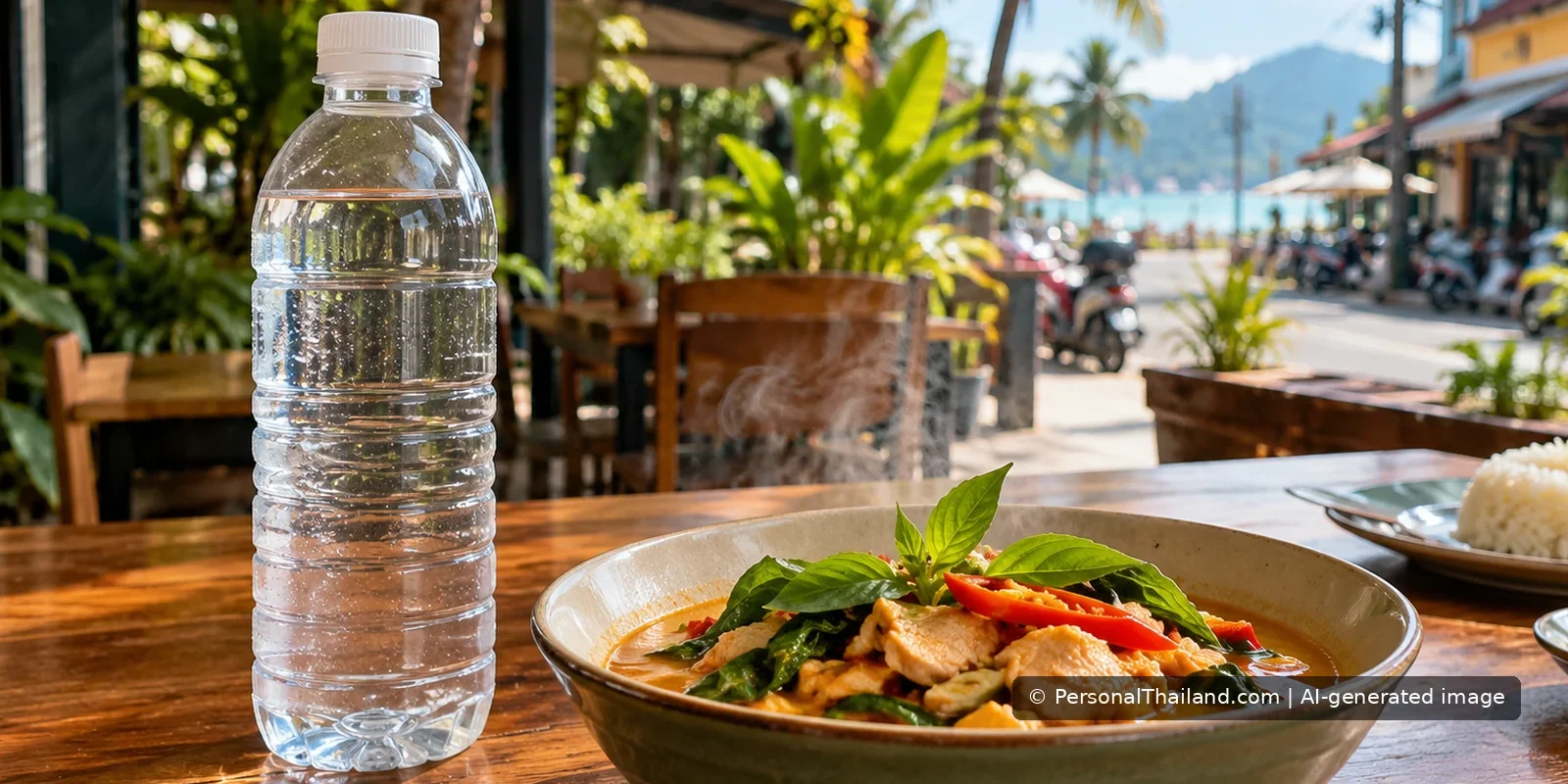
- Choose safe water. Use sealed bottled or appropriately treated drinking water, especially when you cannot verify how water has been stored or handled.
- Prefer thoroughly cooked food. Food cooked to order and served hot is generally safer than food that has sat at room temperature for a long period.
- Be selective with uncooked items. Raw seafood, unwashed produce and food exposed to unsafe water can carry additional risk. The problem is contamination, not a claim that every salad in Phuket is dangerous.
- Wash your hands. Use soap and safe water after using the toilet and before eating. Hand sanitiser is useful in many situations but is not a complete replacement for handwashing where visible contamination is present.
- Check food handling. Look for clean preparation surfaces, protected ingredients and separate handling of raw and cooked food.
These steps help reduce many causes of travellers’ diarrhoea, not just cholera. They also allow travellers to enjoy Thailand’s food culture without treating every local restaurant as a health threat.
When diarrhoea becomes an emergency
Severe watery diarrhoea can dehydrate a person quickly. Warning signs may include marked thirst, dizziness, reduced urination, unusual weakness, drowsiness or an inability to retain fluids because of repeated vomiting. Children, older adults and people with underlying health conditions may deteriorate particularly quickly.
Begin appropriate oral rehydration as soon as possible if the person can drink, and seek urgent medical assessment for severe symptoms. Use a commercially prepared oral rehydration salts (ORS) product according to its packet instructions. Do not assume plain water alone is enough when major electrolyte and fluid losses occur.
A clinician can determine whether intravenous fluids, diagnostic tests or other treatments are needed. Do not start antibiotics or take anti-diarrhoeal medicines indiscriminately in suspected severe infection. In a medical emergency in Thailand, the national emergency medical number is 1669.
Do visitors need a cholera vaccine?
Vaccination recommendations depend on where a person is travelling, whether active cholera transmission is occurring and individual medical circumstances. The CDC’s Thailand travel guidance reviewed for this article does not recommend routine cholera vaccination for ordinary travel to Thailand in the absence of active transmission. Advice can change if local epidemiology changes.
The CDC’s vaccine information also stresses that vaccination does not replace safe food, water and hygiene. A travel-health professional can discuss relevant vaccinations and other prevention measures for a particular itinerary.
How to read a historical health warning
Look for four things before sharing an alarming story: the issue date, the actual location, the public-health agency responsible and whether a newer notice confirms or cancels the warning. Reports from 2007 can be important historical evidence, but they are not live outbreak dashboards.
The practical takeaway is simple: enjoy Phuket, use sensible food and water precautions, and act promptly if serious illness develops. For the medical background, consult the WHO and the CDC’s Thailand guidance rather than relying on an undated social-media claim.