Last checked: November 2, 2026. Thai rules change often, so always confirm with the official source before you travel or apply.
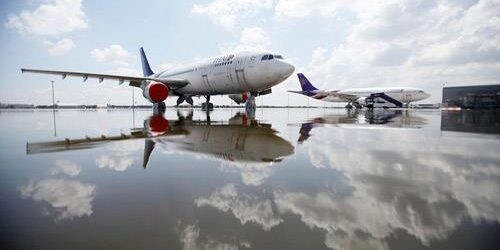
“Should I travel to Thailand?” sounded like an urgent question during the 2011 floods, when the old version of this article was written. It is still a good question in Thailand flood season travel, but there is no single answer for the whole country. Rain in one province does not tell you whether a hotel on another coast is affected. I plan by route, date and local warnings, not by a photograph circulating without context.
Thailand flood season travel starts with the map
Check the Thai Meteorological Department’s current advisories for the provinces you will visit and the days you will travel. Then check the local destination, the road or rail link and the airport separately. A coastal resort can be open while a road inland is difficult; Bangkok can be dry while another area faces heavy rain. The weather also changes quickly, so review the plan again the day before departure.
In 2011 the original article distinguished flooded areas from resorts that remained open. That lesson holds without making a blanket promise about any particular beach in 2026. Ask the accommodation directly whether it is operating, whether access roads are clear and whether excursions are running. A reassuring social-media photo from last week is less useful than a current answer from the property.
Build a flexible itinerary
I leave room between an intercity journey and an international flight. Heavy rain may slow a bus even when the airport itself is open. If you have booked a ferry or island stay, ask the operator about its weather policy and alternate crossing. Keep the first night of a trip simple. It is easier to change a hotel in Bangkok than an elaborate same-day chain of car, boat and flight.
When a warning is issued, do not drive through standing water to prove that a reservation was worth the money. Water depth and damaged road surfaces are hard to judge from a vehicle. Avoid flooded underpasses and follow local authorities. If an excursion is postponed, use the time for an indoor plan rather than seeking a risky substitute.
Read insurance before there is a claim
Travel insurance differs in its treatment of weather, cancellation, missed connections and events known before purchase. Check the policy wording and the insurer’s current advice. Save the booking confirmation and the first official notice of a disruption. If an airline changes a flight, contact it through its own channels and keep the written response. Do not assume that a hotel, airline and insurer share the same definition of a refundable event.
Ask a hotel for a date change in writing before simply failing to arrive. If a tour company says a route is safe despite an official warning, ask for the specific route and current conditions. An individual vendor has a strong reason to keep a booking; a public weather advisory has a different purpose.
Food, water and daily life
The old post worried whether visitors would find food and clean water. In a serious local flood, shops and deliveries may be disrupted. Carry drinking water, essential medicines and a charged phone when travelling between places. Check that your accommodation has a workable plan if electricity or water supply is interrupted. Do not drink floodwater or wade through it to reach a restaurant. If you have a medical condition, plan how to obtain treatment if your usual route is blocked.
Most travellers do not need to pack as if crossing an uninhabited region. They need to know where they are going, how to contact the hotel and what they will do if a leg of the journey stops. Our Pattaya flooding guide gives local examples of why street-level water can change an ordinary day.
Decide whether to go
I would travel if the specific destinations and connections were operating, current official advice did not warn against the route and I had enough flexibility to change plans. I would postpone or change the route if serious flooding affected the intended province, access to essential services was uncertain or an authority advised against travel. The decision is different for a resort weekend, a family visit and a journey requiring urgent medical care.
For the latest weather, use the Thai Meteorological Department. For safety advice, read your own government’s travel advisory alongside Thai local information. Neither a frightened headline nor a cheerful tourism advertisement should make the decision alone.
FAQ
Does heavy rain in Bangkok mean Phuket is flooded?
No. Check each destination and the route between them. Conditions vary by province, coast and date.
Should I cancel as soon as I see a flood video?
First verify when and where it was filmed. Check official advisories, your transport operator and the accommodation before deciding.
Will insurance pay if I change my mind?
That depends on the policy and reason. Read the relevant terms and contact the insurer before making an expensive change.
What should I carry on a travel day?
Keep documents, essential medication, water, charging equipment and contacts with you. Leave time for transport disruptions.
More from Personal Thailand
If you enjoy practical reporting and personal perspectives on Thailand, you can support my work and explore member-only content through either platform:
- Subscribe to Personal Thailand on X — creator membership with access to applicable subscriber-only posts and benefits.
- Join or support Personal Thailand on Buy Me a Coffee — browse available memberships and support options.
These are separate services with different charges and membership benefits. Paid access may be required; subscribing on one does not automatically grant access on the other. The main information in this article is free to read above.