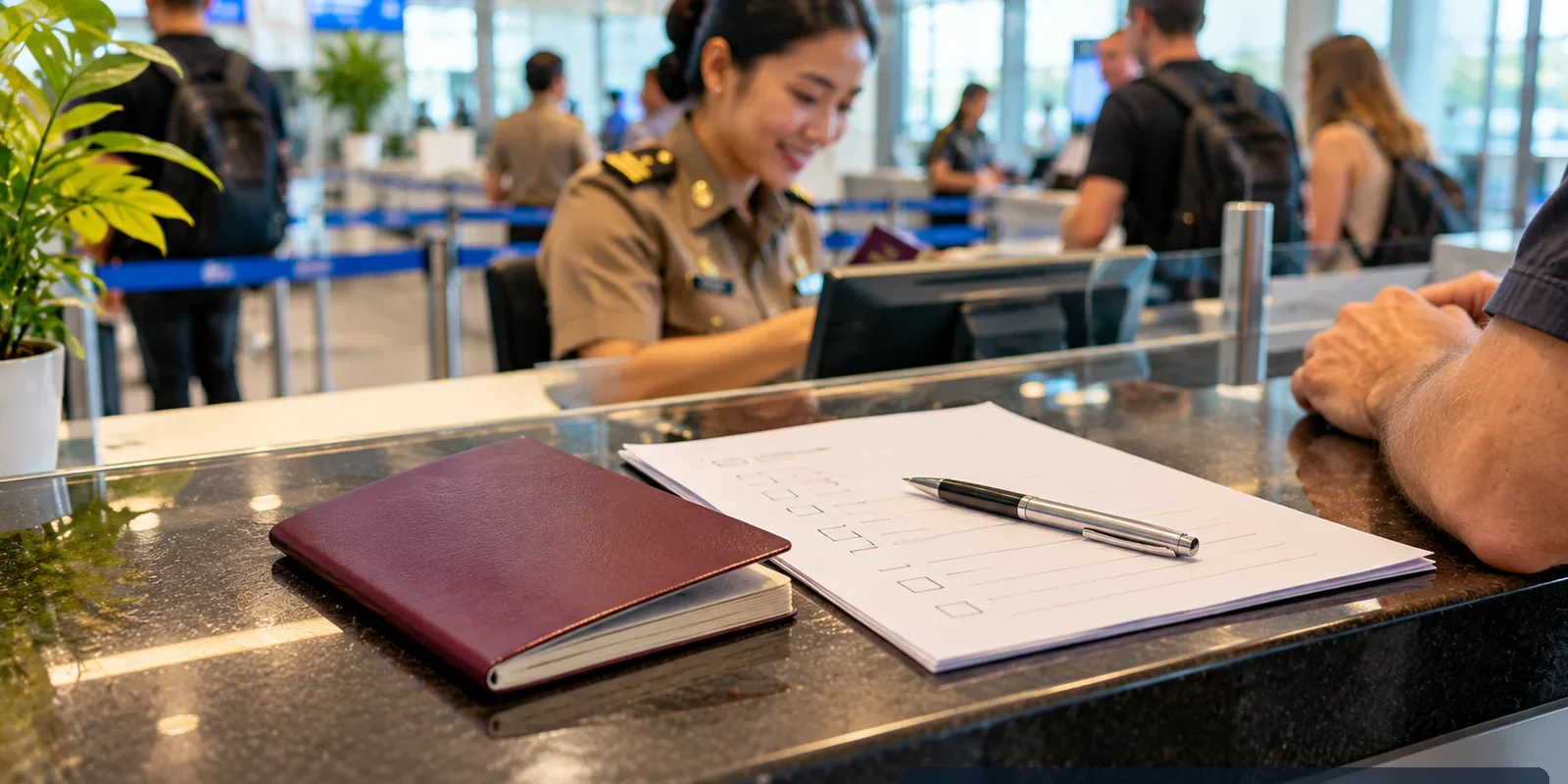
Updated 17 October 2026. A visa stamp that looks convincing is not necessarily genuine. Thailand has warned foreigners about people claiming they can arrange extensions or immigration stamps through unofficial channels. If a shortcut sounds too good to be true, pause before handing over your passport or paying a large fee.
This guide explains the difference between legitimate assistance and a risky promise, how to keep track of your lawful permission to stay, and what to do when you suspect an immigration document may be wrong.
Why fake visa stamps are a real travel risk
Thai Immigration in Lamphun published a warning about scammers offering visa-extension help for substantial sums, after which some customers were found to have counterfeit stamps in their passports. The practical lesson is not that every visa service is dishonest; it is that you are relying on an official immigration decision, not on what an intermediary promises you.
People may use assistance for document preparation, translation or appointments. However, no private agent can promise to bypass eligibility rules. An official-looking stamp or PDF, a company logo, and an urgent request for payment are not substitutes for confirmation through the relevant Thai authority.
Before you give an agent your passport
- Check the route. Ask which visa or extension category applies, which immigration office or embassy processes it, and which documents will be filed.
- Ask for an itemized quote. Distinguish official government fees from translation, transport, agency and optional convenience fees.
- Verify the business. Check an address, business identity, independent feedback and a written service agreement; these checks reduce risk but do not guarantee legitimacy.
- Avoid impossible promises. “No eligibility checks,” “no attendance,” “guaranteed approval,” and “secret contacts” are reasons to investigate further.
- Protect originals. If you must hand over your passport, obtain a dated receipt identifying the holder, return arrangements and contact details.
- Keep copies. Save your passport information page, latest entry stamp, extension history, receipts and any correspondence.
Visa validity is not the same as your permission to stay
A visa, the permission-of-stay date recorded by immigration, a re-entry permit and a 90-day address report are different concepts. Do not assume that the validity date on a visa sticker or a successful address report extends the date by which you must leave or extend your stay.
Look at the official permission-to-stay information for your most recent entry or extension and verify it promptly if anything seems inconsistent. Check directly with the Immigration Bureau rather than relying solely on an agent’s description of what a stamp means.
What does overstay cost in Thailand?
Official Thai government guidance lists a 500-baht-per-day fine, capped at 20,000 baht when a traveler reports an overstay and departs through the appropriate process. The more serious consequences can include detention, removal and re-entry bans depending on the circumstances and duration; how a case is handled matters. It is unsafe to treat the fine as a fee that buys extra holiday days.
If you think you have already overstayed, seek current advice from immigration or a qualified lawyer. Do not wait for an airport check-in desk to uncover a problem on the day of your flight.
How to check a suspicious extension or stamp
- Write down your passport details, dates, the office or agency involved, and the exact concern.
- Gather copies of receipts, messages and any government forms you received.
- Contact an authorized Thai immigration office through official channels; ask how that specific document or permission can be verified.
- Do not alter, conceal or destroy a document you suspect is false. Follow official advice on next steps.
- If the situation may involve criminal liability or an imminent deadline, obtain independent legal assistance.
Recognize common warning signs
Be careful if someone asks for your passport with no documented purpose, wants payment to a personal account unrelated to the service, refuses to identify the processing office, or offers an extension despite saying you do not meet the stated criteria. Online groups can be useful for sharing experiences, but anecdotes are not official immigration instructions.
If you are comparing legitimate immigration options, read our Thailand visa-run and entry-rules guide. Different pathways suit different circumstances; an illegal shortcut can be far more expensive than planning ahead.
Frequently asked questions
Can an agent legally help with Thai visa paperwork?
Agents may provide administrative assistance. Whether a specific action can be delegated, and what personal appearance is required, depends on the immigration process. Verify the procedure through the issuing authority.
Is a 90-day report a visa extension?
No. Reporting your address after 90 days and obtaining permission to stay longer are separate processes.
Who should I contact in an urgent situation?
For a document or status question, contact the relevant immigration office. Tourist Police can be reached on 1155 for tourist assistance, and general police emergencies on 191. Use a qualified lawyer if you face immigration allegations.
Editorial note: This is general travel information, not legal advice. Procedures and permitted stay periods vary by status and may change.
Official sources and further reading
- Thai Immigration Bureau: warning on counterfeit visas
- Thailand government: overstay fines
- Thai Immigration Bureau
- Thailand official emergency numbers
Source links are provided for verification; they do not constitute endorsement of PersonalThailand.