Last checked: November 2, 2026. Thai rules change often, so always confirm with the official source before you travel or apply.
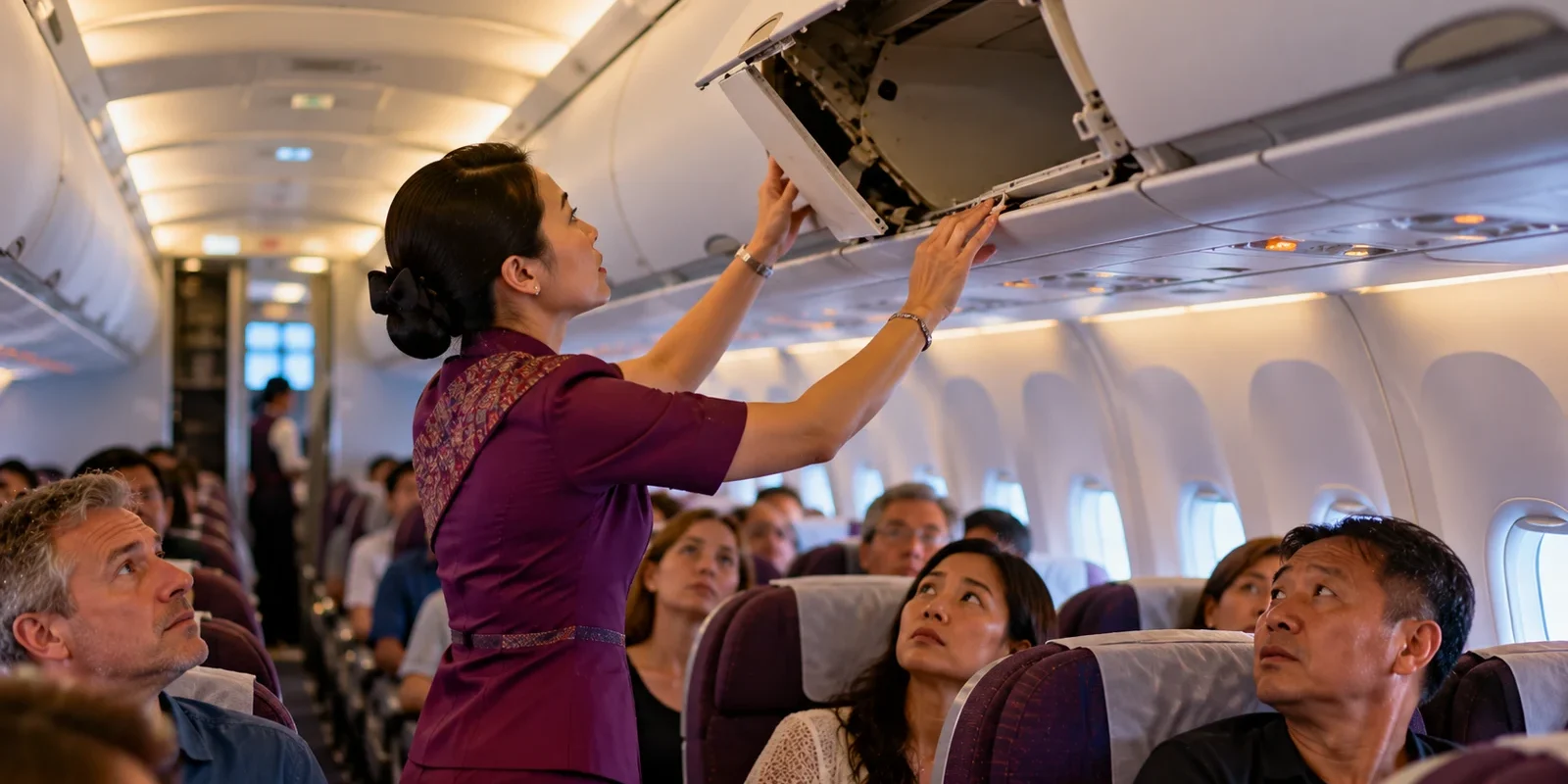
When I returned to Thailand after a month in Sweden, the first blast of warm air at the airport felt familiar. The flight itself had been less comfortable. The old post behind this article described a problem with an aircraft door during a journey. I cannot diagnose that incident from a passenger’s account years later. I can explain what I would do now if something on a flight worried me, and how flight problems and passenger rights in Thailand fit together.
Flight problems and passenger rights in Thailand: two different questions
A safety concern and a disrupted itinerary are not the same thing. If a door, panel, smell or unusual sound troubles you on board, tell cabin crew promptly and describe exactly what you saw or heard. Do not decide from a seat that the aircraft is unsafe or that a particular component has failed. The crew can pass the report to the pilots and follow their procedures. If the flight is delayed or cancelled afterward, ask separately about care, rebooking and any applicable passenger rights.
Thailand’s Civil Aviation Authority, CAAT, publishes information on protections for scheduled flights departing Thailand and domestic flights. The details depend on the route and what happened. Flights departing another country may be subject to rules there. Read the applicable airline conditions and regulator guidance rather than assuming that every long delay brings the same payment.
What to do while still on the aircraft
Press the call button or speak to a crew member when it is safe. Give a seat number and a precise observation: “There is a repeated draft by this door,” for example, is more useful than “The aircraft is broken.” Follow crew instructions, including when they ask passengers to remain seated. Do not touch a door, handle or panel. Do not photograph another passenger in distress merely to make a public post.
If you feel unwell, say so immediately. A passenger with chest pain, severe breathing trouble or another urgent symptom needs medical attention, not a debate about why the flight feels different. If you travel with a child or a person who needs assistance, tell crew what help is required. I keep medicines, a phone charger and essential documents in the cabin because an unexpected diversion may make checked baggage inaccessible for a while.
After landing: make a useful record
Write down the flight number, route, date, seat and a short chronology while your memory is fresh. Keep the boarding pass and any messages from the airline. Note the name or role of the staff member who received your concern if they provide it. A calm written account is more useful than a long thread written in anger. Ask the airline how to submit a safety report and request a reference number.
A passenger cannot always learn the technical finding. That does not mean the report was ignored. Aircraft maintenance and safety investigations follow professional procedures, and public statements may be limited. If the airline’s reply leaves a genuine concern unresolved, check CAAT’s official contact and complaint routes for flights under its remit. For an itinerary that began abroad, identify the relevant regulator there as well.
When the journey changes
A return to the departure airport, diversion or cancellation can leave you with practical questions before anyone has explained the cause. Ask where the airline wants passengers to wait, whether the flight is being replaced, what happens to checked bags and how to obtain written confirmation for insurance. Keep receipts for necessary meals, transport and accommodation. Do not buy an expensive alternative ticket until you know what the original carrier is offering and what your policy covers.
CAAT’s passenger-rights guidance in force in 2026 sets out minimum assistance for certain delays, cancellations and denied boarding on covered services. It is not a blanket promise of compensation for every safety-related disruption. The route, notice and circumstances matter. If an airline gives an answer that seems inconsistent with the rules, save it and use the formal complaint channel. Our airline safety checklist offers useful questions to ask before booking.
Coming back to Thailand after a stressful flight
Heat, tiredness and a long immigration queue can make a difficult journey feel worse. I allow more time than I think I need for the trip home, buy water after landing and postpone important decisions until I have rested. If onward transport is affected, use official airport information and contact the hotel directly. A journey can go wrong without every person along the way being at fault.
Flying is a chain of responsibilities. The crew manage the aircraft and passengers during flight; the airline handles a booking and its customer response; a regulator oversees the applicable rules. My job as a traveller is to notice, report accurately, keep records and ask the right organisation for help. That approach would have served the traveller in the original story better than trying to solve an aircraft problem from a window seat.
FAQ
Should I tell crew about a noise or draft even if nobody else seems worried?
Yes. Describe what you noticed without guessing the cause. Crew can assess or pass it along; passengers should not touch aircraft equipment.
Does a safety-related delay automatically mean compensation?
No. Rights depend on the route, the applicable rules and the circumstances. Ask the airline for the reason and check the relevant regulator’s current guidance.
Can I complain to CAAT about a foreign airline?
CAAT’s rules cover specified flights and situations, including covered flights departing Thailand. Check the exact route and complaint process; another country’s regulator may be responsible for a flight that began elsewhere.
What evidence should I keep?
Save booking and boarding records, airline messages, a timeline and reasonable expense receipts. Keep the facts separate from your guesses about the technical cause.
More from Personal Thailand
If you enjoy practical reporting and personal perspectives on Thailand, you can support my work and explore member-only content through either platform:
- Subscribe to Personal Thailand on X — creator membership with access to applicable subscriber-only posts and benefits.
- Join or support Personal Thailand on Buy Me a Coffee — browse available memberships and support options.
These are separate services with different charges and membership benefits. Paid access may be required; subscribing on one does not automatically grant access on the other. The main information in this article is free to read above.