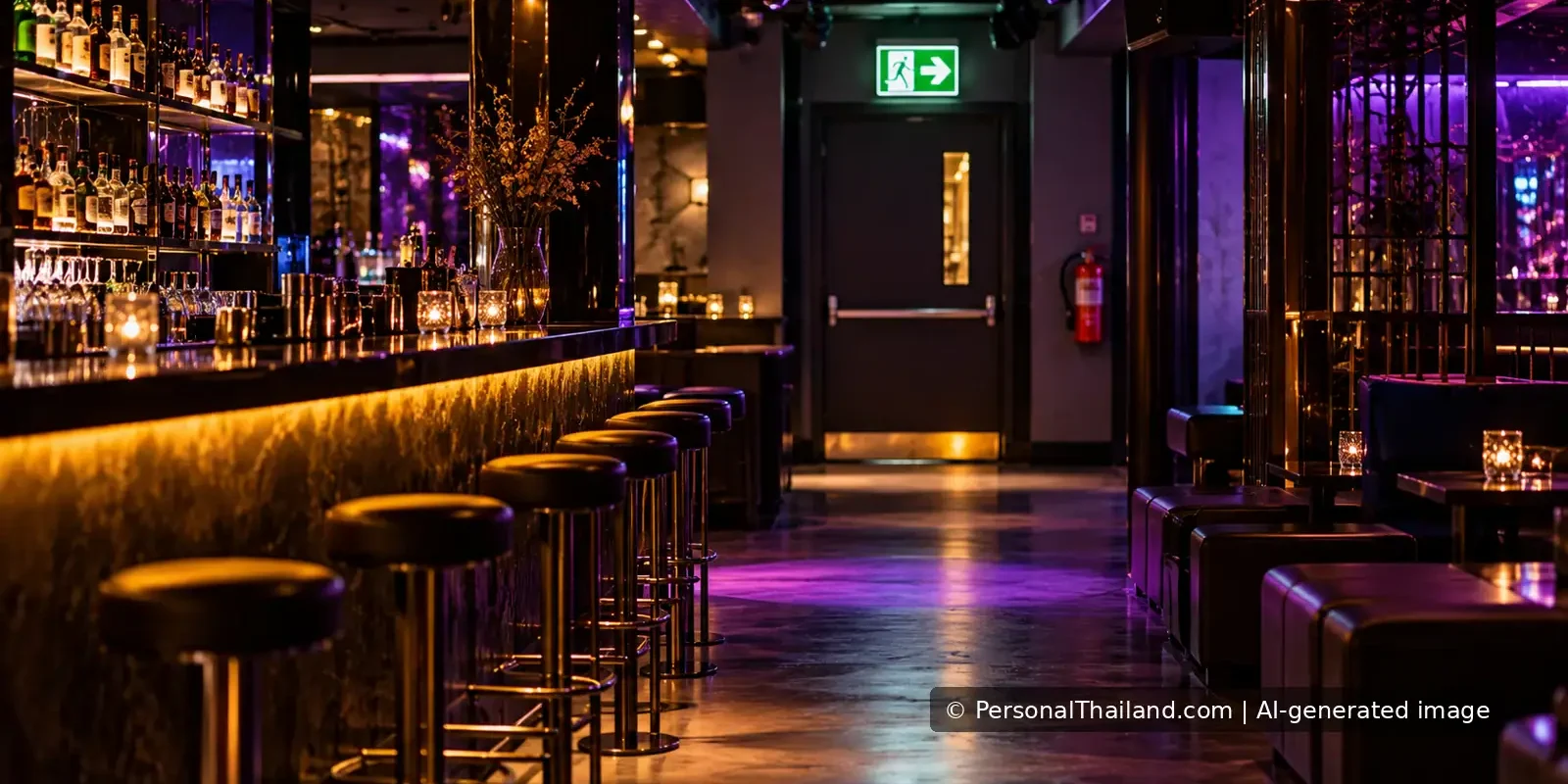
Bangkok’s Santika nightclub fire on New Year’s morning in 2009 was a devastating event. For people who lost relatives and friends, its significance cannot be reduced to a headline or a discussion of nightlife. When this website revisited the disaster about fifty days later, it was trying to express concern about the investigation. Some claims in that original commentary, however, were not established by the evidence available.
The fire is best remembered through respect for the people affected and through practical questions: How do people escape a crowded venue? What should a guest notice before a performance begins? How can operators make emergency procedures understandable even in darkness and noise?
What happened at Santika on New Year’s Day?
The fire broke out at Santika nightclub during celebrations welcoming 2009. Contemporary reports described substantial loss of life and many injured people. Early casualty counts changed as hospitals and investigators gathered information. For that reason, a number printed in the first day’s news should not automatically be treated as a definitive final total.
A Reuters report carried by The Irish Times on 2 January 2009 described investigators still working to establish the cause and the legal responsibility of those involved. Other contemporary coverage in The Guardian also documented the human impact of the disaster.
It would be irresponsible to treat every rumour circulating soon after the fire as a court finding. The 2009 PersonalThailand article speculated about ownership, taxes and officials. These allegations are not necessary to understand the risk to patrons and are not repeated as proven conclusions.
Why crowded entertainment venues need an escape plan
A nightclub can feel entirely different when a fire alarm sounds. Loud music, low lighting and unfamiliar corridors make it hard to recognise what is happening. Groups may instinctively move toward the door they used on arrival, even when another exit is closer. Smoke can obscure signs and quickly make a familiar room difficult to navigate.
That is why checking a way out before the entertainment starts is more than a formality. You do not need specialist knowledge. Look for exit signs, avoid standing in obstructed passages and notice whether doors and stairways appear accessible. A single visible door in a room with a large crowd should be a reason to examine the venue more carefully.
A practical checklist when entering a club
- Look for a clearly marked primary exit and an alternative exit that you could reach if the first became unusable.
- Check whether furniture, stored equipment or temporary decorations block the route.
- Notice changes in level, narrow steps and corners that may be hard to negotiate in low light.
- Keep children and people needing assistance within easy reach and agree where to meet outside.
- Leave immediately if you encounter dangerous smoke, flames, crowd crushing or instructions from emergency staff.
The U.S. Fire Administration’s travel fire-safety guidance recommends identifying multiple exits and understanding a building’s evacuation plan. Although that page focuses on hotels and accommodation, the habit of looking for ways out is also useful when visiting restaurants and entertainment venues.
What to do when something feels unsafe
If a room becomes unusually smoky, a fire is visible or people begin to push toward an exit, do not stop to recover a jacket, take a photograph or finish a drink. Follow directions from emergency workers and move away from the building once outside. Avoid returning to search for belongings.
People who are separated should contact emergency services and provide clear location details. Do not spread unconfirmed casualty names or images of injured people on social media. Families should receive verified information through appropriate channels, not discover rumours about a loved one in a public comment thread.
Responsibilities go beyond the visitor
Operators need suitable evacuation arrangements, appropriate fire protection and trained staff. Guests cannot independently assess construction compliance, electrical systems or every legal permit. A quick visual check is helpful, but it does not replace competent inspections and enforcement.
Temporary stages, decorations, lighting equipment and special effects should be assessed by qualified people because they can alter how a venue functions during a crowded event. The regulatory requirements differ by building and jurisdiction, so specific obligations should be checked against the rules in force at the time and location.
Remembering the people, not repeating the rumours
The Santika tragedy belongs to Bangkok’s recent history and to the families whose lives were changed. Historical reporting confirms the seriousness of the disaster, while early speculation about the cause and responsibility needs to remain clearly labelled as uncertainty. The lasting public-safety message is simpler: a night out should never require guessing where to escape when something goes wrong.