
Last reviewed: October 2026.
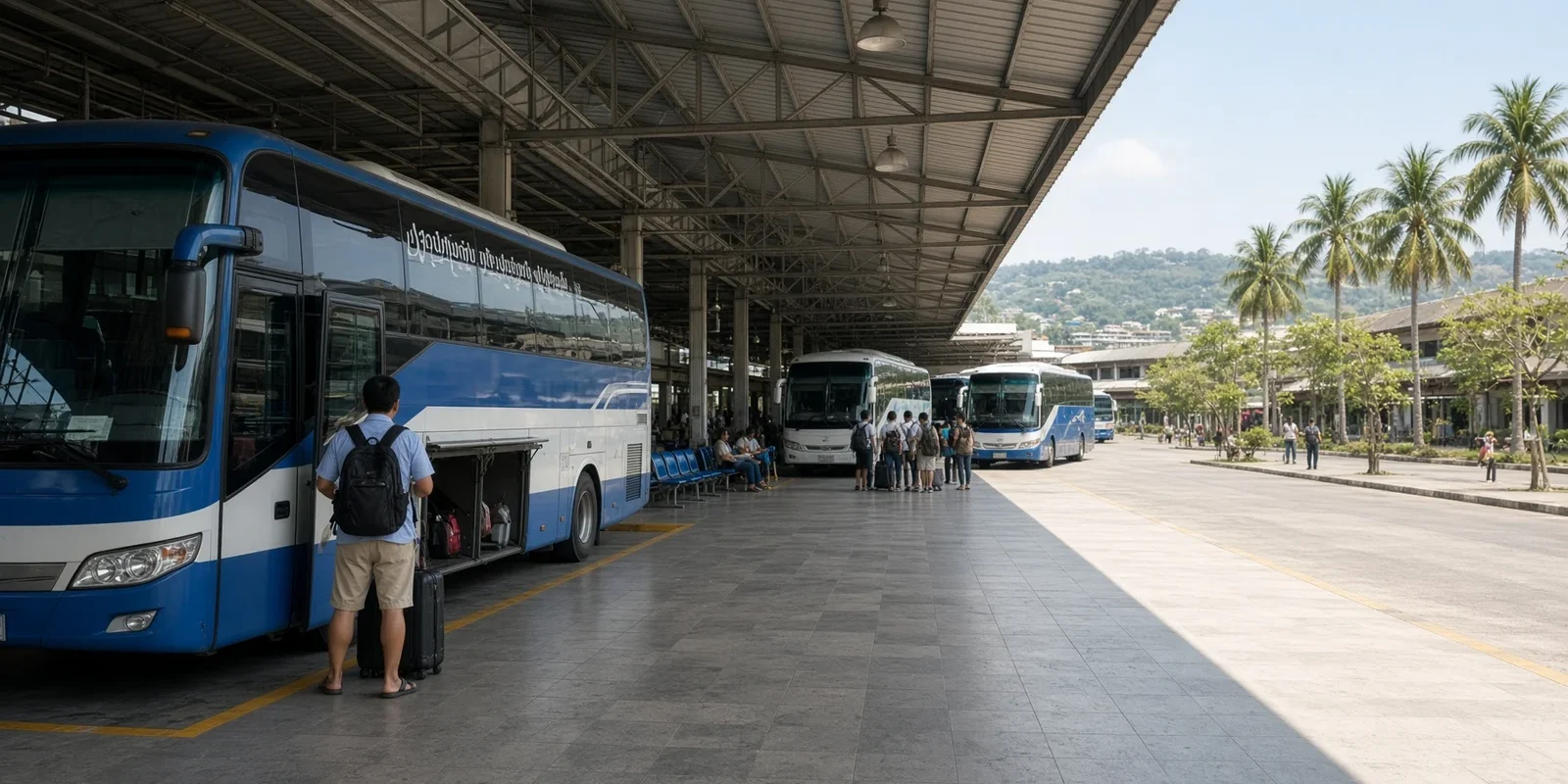
Arriving at a Pattaya bus station after a long journey is a moment when travellers are particularly distracted. They may be looking for a hotel address, searching for a ride, changing money or trying to keep track of several bags. This guide explains practical ways to reduce theft risk at the station and during the last part of the journey without suggesting that a particular Pattaya terminal is currently experiencing a crime wave.
Before the bus reaches Pattaya
Organize your essential items before arrival. Put your passport, payment card, phone and accommodation details in secure, separate places rather than the outside pocket of an easily opened backpack. Keep a bag small enough to hold in front of you, and never leave valuables in an unattended compartment or on a seat while you step away.
If you have checked a suitcase into the bus’s luggage compartment, follow the operator’s collection procedure and check the bag before leaving. Take a photo of your luggage and any claim tag before the trip. Avoid displaying large amounts of cash or valuable jewellery while sorting out onward transport.
Choose your onward ride before you become distracted
Pattaya has several bus services and stopping points; your arrival location depends on the operator and route. Do not assume every coach stops at the same terminal. Save the name of your actual stop and the hotel address offline, in both English and Thai if possible.
Before getting into a car or shared pick-up truck, ask the driver where it is going and what you will pay. Pattaya’s shared songthaews, often called baht buses, can be convenient, but do not assume that a private charter and a shared journey are priced the same way. When there is uncertainty, confirm whether you are paying per person or for the whole vehicle.
With an app-arranged ride, confirm the vehicle plate and driver details. If a driver asks you to cancel the app booking and pay directly, consider whether you would be giving up the safeguards and trip record you expected.
Protect your bags in open-sided transport
Open vehicles make sightseeing easy but offer less protection from someone reaching in or grabbing an exposed item. The UK Foreign, Commonwealth & Development Office specifically warns travellers in Thailand about bag-snatching from motorbikes and recommends care in open transport such as tuk-tuks.
- Carry small bags on the inward-facing side of your body, away from the road edge.
- Close all zips and avoid holding a phone or necklace out beside moving traffic.
- Keep a backpack on your lap or between your feet, not hanging loosely outside the vehicle.
- Keep both hands free when stepping into or out of a vehicle in traffic.
- Do not chase a moving motorcycle or try to pull an item back if doing so would drag you into the road.
None of these measures guarantees that theft cannot occur. The goal is to reduce easy opportunities and protect your physical safety.
If you think someone is following you
Move towards a staffed, well-lit location such as a hotel lobby, ticket desk or busy shop. Ask staff for help and avoid an isolated shortcut. If you believe you face immediate danger, call police emergency services on 191. The Tourist Police on 1155 can assist visitors with reporting concerns and finding appropriate help.
If a theft occurs, prioritize injuries and immediate safety. Record the approximate time, place, what was taken and any relevant vehicle details. Contact your bank quickly to freeze missing cards; use your device provider’s tools to secure a lost phone. Your insurer may ask for a police report, so ask about the reporting process before leaving the area.
What should solo travellers do differently?
Tell someone your expected arrival time, keep your phone charged and have an independent way to reach your accommodation. If arriving late, arranging a known pickup can reduce the need to negotiate while tired. It is reasonable to pay a little more for a clear, prearranged journey if it offers a better fit for your situation.
Travelling with children or older relatives requires an extra minute: appoint one person to watch the luggage while another confirms the car, and agree on a meeting point if anyone gets separated. A separate small pouch with emergency contacts and essential medicines can be useful.
Is Pattaya’s bus station unsafe?
A January 2010 version of this post described alleged thefts and personal experiences near a bus arrival point. Those accounts do not establish the current prevalence of crime or implicate any present-day driver. Official travel guidance gives broader precautions for Thailand, not a verified 2026 incident rate for a particular Pattaya station.
The best approach is proportionate: take normal urban-travel precautions, use clearly identified transport, and do not let anxiety prevent you from enjoying the rest of your trip.
Save these details before you travel
Keep your bus operator’s booking confirmation, your arrival stop, your hotel’s address, a method of contacting your bank, and the numbers 191 and 1155 somewhere accessible even without mobile data.
Official travel advice: UK Government — safety and security; UK Government — getting help; Thailand Tourist Police — contact details.





The government should increase the police visibility in that area and put more street lights so the place will be more visible and secured