Last checked: November 2, 2026. Thai rules change often, so always confirm with the official source before you travel or apply.
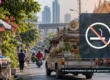
Smoking laws in Thailand cover many public places, and the rules for e-cigarettes are stricter than many visitors expect. A beach, hotel lobby or bus stop is not necessarily a place where a cigarette is permitted just because it is outdoors.
The original article listed the restrictions known at the time and added some assumptions about exceptions. Rules have changed, so I have replaced that list with questions to check before you light up or pack a device.
Smoking laws in Thailand and public spaces
Thailand has smoke-free rules covering a range of public areas and facilities. UK government travel advice warns of a fine of up to 5,000 baht for smoking in prohibited public areas. The applicable rule and penalty depend on the location and conduct, so do not assume a figure quoted in an old article applies in every case.
Transport facilities, schools, healthcare premises and many indoor public spaces are among the places where restrictions may apply. Look for official signs and ask staff where smoking is permitted. A doorway, covered waiting area or an open-air platform should not automatically be treated as a smoking area.
Hotels, restaurants and other venues may have designated areas or rules that are stricter than a guest expects. Ask the property before booking if a smoking room matters to you, and confirm where it permits smoking. A private room is not a guarantee that any particular smoking activity is allowed.
Be considerate of people nearby, including children and anyone with a health condition. If you cannot establish where a permitted area is, wait until you can ask. A short walk to the right place is preferable to an argument in a hotel lobby.
Beaches and cigarette butts
Thailand’s tourism authority has described smoking restrictions on selected beaches and designated areas away from the sand. That guidance dates from 2017 and local arrangements can change. Check current notices for the specific beach and ask the authority responsible for it; do not assume that all beaches have identical boundaries.
If you smoke in a permitted area, put the cigarette out completely and use a suitable bin. Do not leave the butt in the sand or drop it into a drain. Local disposal rules and fines may differ, so check with the authority responsible for the area.
National parks and private beach areas may have additional conditions. Follow the current instructions of park staff and the venue. A portable ashtray can help you carry waste, but owning one does not turn a smoke-free area into a permitted place to smoke. Our guide to beach footwear for Thailand has other packing ideas.
E-cigarettes and vaping
As of November 2026, UK travel advice warns that possession or use of vapes, e-cigarettes, pods and e-liquids is illegal in Thailand and that offences can lead to confiscation, fines and legal proceedings. The Royal Thai Embassy in London also advises travellers not to bring electronic cigarettes or related equipment into the country.
Thai government guidance describes separate provisions concerning importing, selling and possessing these products. Penalties depend on the legal offence and facts. Do not assume that a device is allowed because it was bought legally elsewhere, because it is for personal use or because you saw a similar item in a shop.
Before travelling, check your bags for devices, cartridges, liquids and other equipment. If you have questions about a specific item, contact the Thai embassy or customs authority before departure. A foreign prescription for an unrelated treatment is not permission to import a prohibited product.
What about ordinary cigarettes?
UK entry advice states that travellers may not bring more than 200 cigarettes per person into Thailand and warns of penalties and confiscation for exceeding the limit. Check Thai customs rules directly for the current allowance and declaration requirements, particularly if you also carry other tobacco products.
Keep each traveller’s goods separate and do not assume that several people’s allowances can be bundled into one person’s luggage. If you are uncertain what to declare, ask customs before passing through. Our guide to airport security and valuables has further practical tips.
If you receive a fine
Ask which rule is alleged to apply and request an official notice or receipt. Keep the paperwork and ask how the payment or review process works. If language is a problem, ask for assistance. Do not offer an unofficial payment because another traveller says that is how things work.
If you face a serious legal issue, contact a qualified Thai lawyer. Your embassy may be able to provide information and a list of lawyers, but it cannot cancel a local fine or decide a case. Treat a published maximum penalty as information to verify, not as a prediction of what will happen in your situation.
This guide reflects sources available on November 3, 2026. Before travel, check current Thai government and embassy information: a rule that applied when a friend last visited may have been amended since.
FAQ
Can I bring a vape for personal use?
Thai embassy guidance advises travellers not to bring e-cigarettes or related equipment. UK travel advice also warns that possession and use are illegal.
Can I smoke on every Thai beach?
No. Some beaches have restrictions and designated areas. Check current local notices.
Is a hotel balcony always a permitted smoking area?
No. Ask the property and check the rules for the location before smoking.
What should I do with a cigarette butt?
Extinguish it fully and place it in a suitable bin; do not leave it on the beach or pavement.
More from Personal Thailand
If you enjoy practical reporting and personal perspectives on Thailand, you can support my work and explore member-only content through either platform:
- Subscribe to Personal Thailand on X — creator membership with access to applicable subscriber-only posts and benefits.
- Join or support Personal Thailand on Buy Me a Coffee — browse available memberships and support options.
These are separate services with different charges and membership benefits. Paid access may be required; subscribing on one does not automatically grant access on the other. The main information in this article is free to read above.