Surin in northeastern Thailand is associated with skilled textile makers, elephant-related traditions and traces of Khmer-era architecture. These are substantial cultural subjects, but they need more care than the sweeping stereotypes found in older provincial guides. Local communities are diverse, and no percentage of residents speaking a particular language should be repeated without a reliable, current source.
Learn about Surin at the provincial museum
Surin National Museum offers a useful introduction to the province’s history, art and local traditions. The Tourism Authority of Thailand describes several connected exhibition buildings. Beginning with a museum visit can make later temple and craft stops more meaningful because you will have better context for the people and objects you see.
Check the museum’s current opening days and exhibition access rather than copying old hours or admission fees. If displays contain sacred or sensitive material, follow the posted photography rules. A museum is a place to learn about different communities, not a justification for reducing those communities to simplified labels.
Silk weaving and living craft traditions
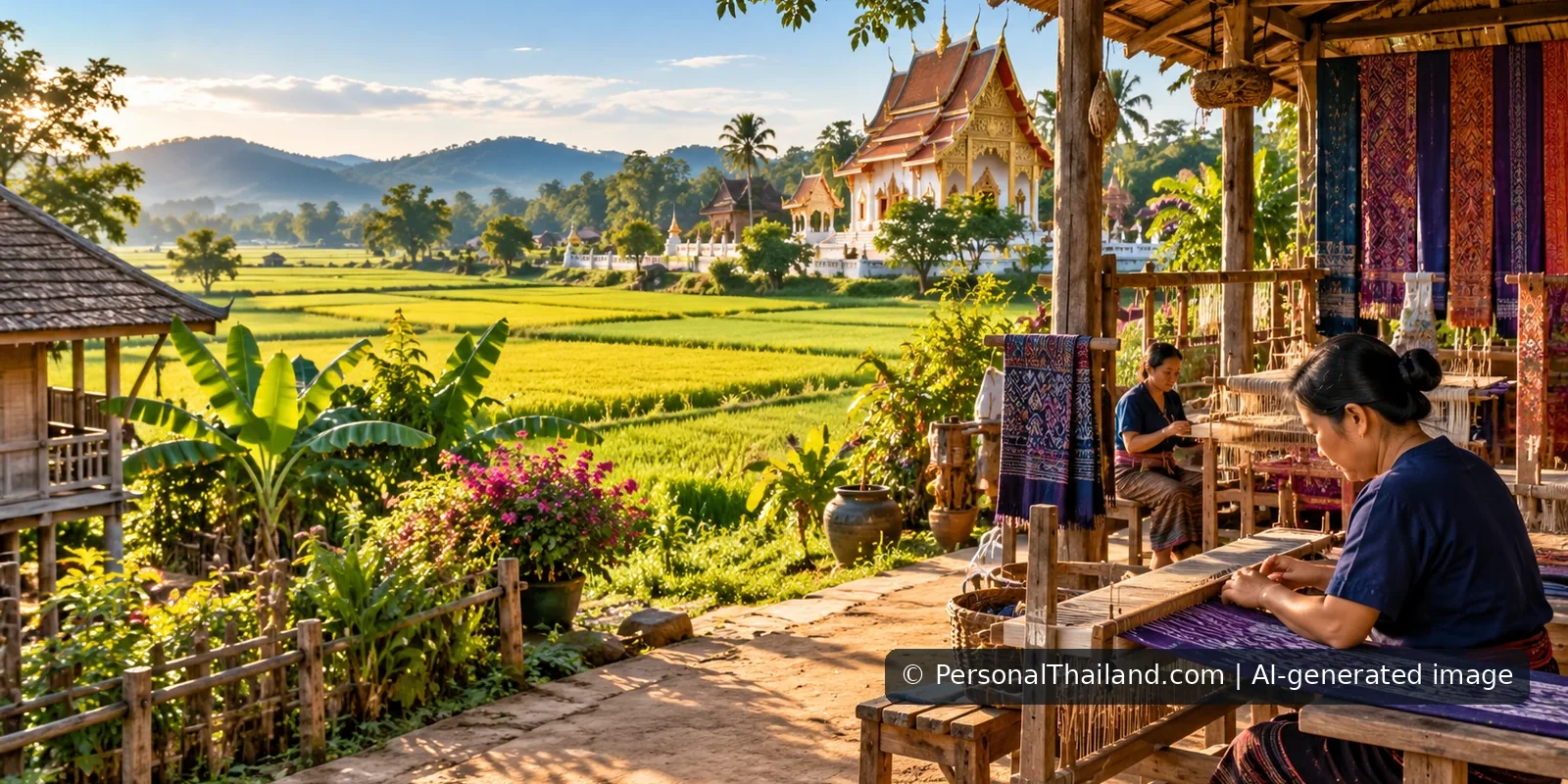
Surin is known for silk and distinctive handwoven fabrics. Ban Tha Sawang’s golden-brocade weaving tradition is documented in the Tourism Authority’s official Surin guide, and other communities around the province also keep weaving traditions alive. Workshop availability varies, so contact a maker or community organiser before visiting.
A good purchase begins with questions: where was a cloth made, what fibres were used and how should it be cared for? Fine textiles take time to produce, and a market full of cloth does not mean every piece is handmade locally. Ask permission before photographing workers and avoid treating a craft studio as an open-access photo set.
Elephants: a complex relationship, not a photo prop
Surin’s elephant-related heritage includes Ban Ta Klang and communities with long-established mahout traditions. The Tourism Authority documents an Elephant Study Centre in the area. This history is important, but modern animal-welfare questions deserve attention too. Heritage alone does not establish that every visitor experience is appropriate for elephants.
Research any facility’s treatment of animals before attending. Prefer learning-focused experiences that allow elephants room to move and do not pressure them into unnatural performances or close-contact photo routines. Never assume that riding, bathing or feeding an elephant is automatically ethical because it appears in an older tourism description.
Khmer architecture without unnecessary border travel
Sikhoraphum Sanctuary is a documented Khmer-era temple complex in Surin, recognised in the Tourism Authority’s visitor guide. It illustrates the region’s connections with wider Southeast Asian religious and artistic history. Observe monument boundaries, stay off unstable structures and allow time to look at stone carvings rather than rushing for a photograph.
Some other Khmer sites are close to the Thai–Cambodian border, and conditions there have changed since the 2025 border conflict. Prasat Ta Muen Thom in Phanom Dong Rak district has been closed to visitors, and all Thailand–Cambodia land crossings, including Chong Chom in Surin’s Kap Choeng district, remained suspended as of October 2026. The UK Foreign Office advises against all but essential travel within 20 km of the land border, and the US State Department advises increased caution in the border region. Check current official travel advice before any border-area excursion, follow instructions from Thai security personnel and do not plan around an old attraction listing.
Food, festivals and respectful visits
Surin’s markets offer Isan food, rice dishes, vegetables and locally made products. Ask about ingredients and spice levels; visitors with allergies should be specific. Provincial festivals may highlight elephants or textiles, but exact dates and programme details change with organisers. Confirm a current official announcement before booking a trip around an event.
For a short visit, focus on Surin town, a museum and a textile stop. Add a separate excursion to a suitable cultural site only when transport, security and opening conditions have been checked. Surin is most rewarding when understood through its living communities rather than oversimplified stories about elephants or ethnicity.