Sa Kaeo is an eastern Thai province where forest scenery, historic Khmer-influenced sites and border trade sit close together. It has a different feel from Thailand's famous beach destinations. A trip here is better understood as a route between landscapes and towns than as a stay at one resort. Before travel, think carefully about which of its attractions are the actual priority.
Pang Sida National Park and the green season
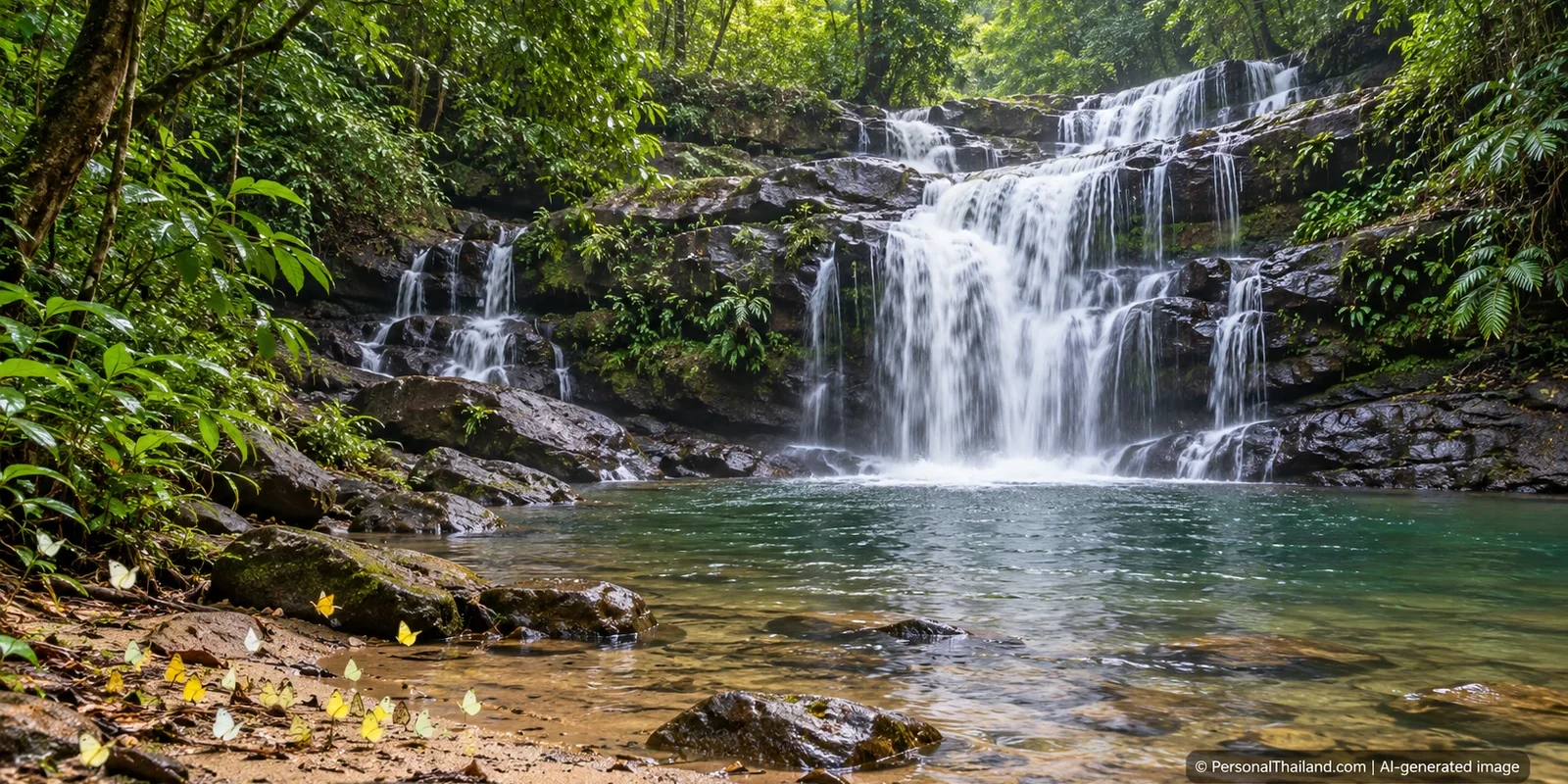
Pang Sida National Park is one of Sa Kaeo's principal nature attractions. Forest trails, a waterfall and seasonal butterfly interest make it a strong choice for travellers who enjoy natural landscapes. The appearance of a waterfall and the number of butterflies depend on weather, water levels and the time of year, so photographs from peak season should not be treated as promises.
Follow park signage, stay on authorised trails and check whether particular tracks are open. Rain can make surfaces slippery and streams unpredictable. Even if a waterfall is advertised as a swimming site, a safe decision depends on current conditions and instructions from the authorities on duty. Leave wildlife, plants and insects undisturbed.
Ancient sites and regional history
Prasat Sadok Kok Thom is a recognised Khmer-era monument in Khok Sung district, close to the Cambodian border. It offers a chance to look at the province's history beyond modern border commerce. The historical park has been closed to visitors at times during the recent border tensions (most recently from January 2026), so confirm with the park that it is open, and check current travel advice for the border area, before planning a visit. Stone monuments are vulnerable to damage from climbing, marking or moving fragments. Stay within visitor routes and use the site's historical displays rather than inventing an exact construction narrative from a short online caption.
Other archaeological traces reflect Sa Kaeo's links to older regional cultures. A dedicated historical half-day works better than racing from one distant attraction to another. Bring water and sun protection because open heritage sites can become hot during the middle of the day.
Lalu's unusual landforms
Lalu is known for sculpted, eroded earth formations that contrast with the province's forest scenery. Such landscapes are natural features, not permanent installations, and conditions can change after heavy rain. Good footwear is useful, and visitors should avoid walking across delicate formations if local guides or posted rules ask them to stay on designated paths.
For photography, visit in reasonable daylight and use a local guide when recommended. A dramatic drone photo on social media does not establish that flying a drone is permitted; check the applicable rules separately.
Aranyaprathet and Rong Kluea Market
The Aranyaprathet area is associated with trade near Cambodia, and Rong Kluea Market is mentioned in Tourism Authority of Thailand materials. The market has continued to operate, but trade has been much quieter since the border crossings were suspended. A market visit is not the same as making an international border crossing.
Land border crossings between Thailand and Cambodia, including Aranyaprathet–Poipet, have been suspended since the 2025 border conflict and had not reopened to general travel as of October 2026. Some governments advise caution near the border: the UK Foreign Office, for example, advises against all but essential travel within 20 km of the land border, an area that includes Aranyaprathet and Rong Kluea Market, while the US State Department advises increased caution in the border region. Check current official travel advice and local notices before visiting the border area, and follow instructions from Thai security personnel. If you hope to cross into Cambodia, verify with Thai Immigration and the Cambodian authorities that the checkpoint has reopened. Do not rely on a guidebook's older description of 'easy day trips' or guaranteed visa services.
At any busy market, keep valuables secure, inspect purchases carefully and be wary of offers that depend on handing over your passport or paying unusual 'processing' fees to strangers.
Food and accommodation choices
Small towns and roadside restaurants provide opportunities to try regional food. Ask what has been cooked fresh and check ingredients if you have dietary restrictions. Rural tourism can mean fewer late-night transport options, so book accommodation near your planned route and ensure you can return safely after dark.
Planning two or three days
A nature-focused day around Pang Sida can be combined with a separate heritage day at Sadok Kok Thom, provided the park is open and current advice for the border area allows it. A visit to Aranyaprathet should likewise depend on the latest travel advice for the border area. This arrangement also leaves flexibility for rain, park restrictions or road conditions.
Sa Kaeo rewards informed travellers, but it is not a destination for casual assumptions about borders or wilderness. Check official conditions, choose a manageable route and enjoy the variety between forests, ancient architecture and working communities.
Why border information deserves a separate check
A destination guide and an immigration notice serve different purposes. Tourism material may accurately describe Rong Kluea Market's role in cross-border trade while being unsuitable as proof that a specific checkpoint currently admits travellers. Once crossings reopen, consult official government notices for both countries before a proposed crossing, check passport and visa requirements and make a contingency plan if entry is not permitted. Do not hand travel documents to unofficial intermediaries on the promise of a faster crossing.
For visitors staying entirely within Thailand, the province still offers a worthwhile combination of forest and historical sites. There is no need to build the holiday around an uncertain international transfer, and a properly planned domestic itinerary avoids unnecessary stress.