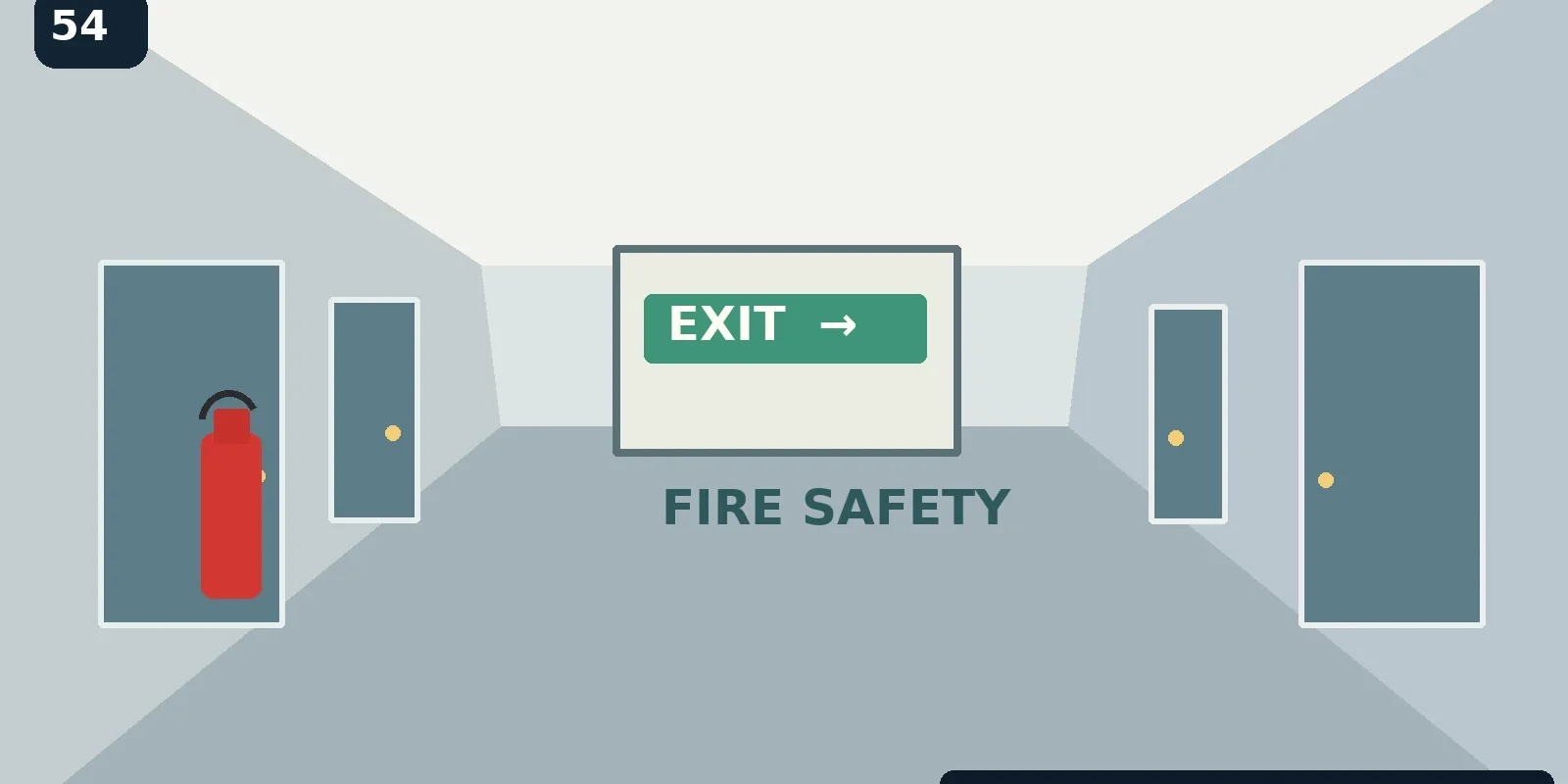
Updated 17 October 2026. When choosing accommodation in Thailand, most travelers compare location, reviews, air conditioning and price. One more question deserves a place on the list: could you get out safely if there were smoke or a fire at night?
This article replaces an old Pattaya hotel-fire news item with an evergreen guide for travelers staying in hotels, guesthouses, condominiums and short-term rentals. It does not repeat unverified claims about casualties or blame from the original event.
Before you book: look beyond the room photographs
Choose accommodation where you can identify how guests would leave the building. Ask about smoke alarms, emergency lighting, exits and the location of escape stairs—especially in multi-story buildings. A polished room photograph cannot tell you whether a corridor exit is blocked or whether an alarm works.
The US Fire Administration recommends looking for hotels with hard-wired smoke alarms and sprinkler systems, reading the evacuation plan and finding the two nearest exits. These are useful international best-practice questions even though building rules differ from country to country.
Five things to do when you enter your room
- Read the posted evacuation plan. Find the route from your exact room to an exit, not just the general floor map.
- Find two exits if possible. Walk the corridor and check where the stairs are located. If an exit is blocked, notify reception and request a safe alternative.
- Check alarm information. Note the nearest alarm point and whether your room has an alarm or detector.
- Know the address. Save the hotel’s name and street address in Thai and English. This helps emergency responders find the building.
- Keep essentials accessible. Place your phone, room key and suitable footwear where you can reach them quickly in the dark.
The US Department of State’s lodging safety guidance similarly recommends checking alarms, extinguishers and exits when you arrive.
What if a fire alarm sounds?
Take an alarm seriously. Follow the building’s evacuation information and directions from trained personnel or emergency responders. When safe to do so, leave promptly by the designated stairs rather than a lift. Close doors behind you if you can do so without delaying a safe escape; closed doors can help limit smoke spread.
Do not return to your room to collect luggage or valuables. Once outside, move away from entrances to keep access clear for firefighters and ambulances. Tell staff or responders if you know somebody is missing or may need assistance.
Smoke may be the immediate danger
Smoke can quickly obscure hallways and make breathing dangerous. If smoke is present, keep low when moving toward a safe exit, if conditions allow. Do not push through a hot door or thick smoke. If your escape route is blocked, remain in a safer location, close the door, call emergency services, explain your exact location and follow responder instructions. Do not jump from a window.
The general goal is to choose a safe, accessible exit—not to assume every stair or corridor is passable. Building staff or fire crews may direct guests differently according to the actual fire location.
Emergency numbers in Thailand
The Thai government’s emergency-number list and the UK Foreign Office list 199 for fire, 1669 for ambulance services and 1155 for Tourist Police. Local emergency handling can vary; hotel reception may also help you communicate a location. In a life-threatening situation, contact emergency services without delay.
If you call, give the building name, floor, room or nearby landmark, the type of emergency and whether anyone is trapped or injured. If language is a barrier, ask a nearby staff member to speak with the dispatcher while you stay on the line when possible.
Special concerns in small guesthouses and rentals
Small properties and individual apartments may not have the same staffing or equipment as a large hotel. Check that locks and windows can be opened from the inside, that hallways are clear and that all members of your group understand where to meet if you evacuate. Take particular care if traveling with children, older relatives or someone with restricted mobility.
If you cannot find a safe route or a safety device appears damaged, notify the host or manager. If a serious concern cannot be resolved, consider alternative accommodation.
Questions travelers often ask
Is a ground-floor room always safest?
Not necessarily. Building design, exits, alarms, accessibility and emergency procedures all matter. Choose a place where you can understand the escape plan.
Should I use an elevator when the alarm sounds?
In general, use the designated escape stairs rather than elevators, unless trained emergency personnel specifically instruct otherwise under an approved evacuation procedure.
What should I photograph after a fire?
First protect yourself and follow the directions of responders. Only document the incident later if it is safe and appropriate.
Safety notice: General preparedness guidance, not a substitute for instructions from the hotel, local fire service or emergency responders during an incident.