Information reviewed: October 2026.
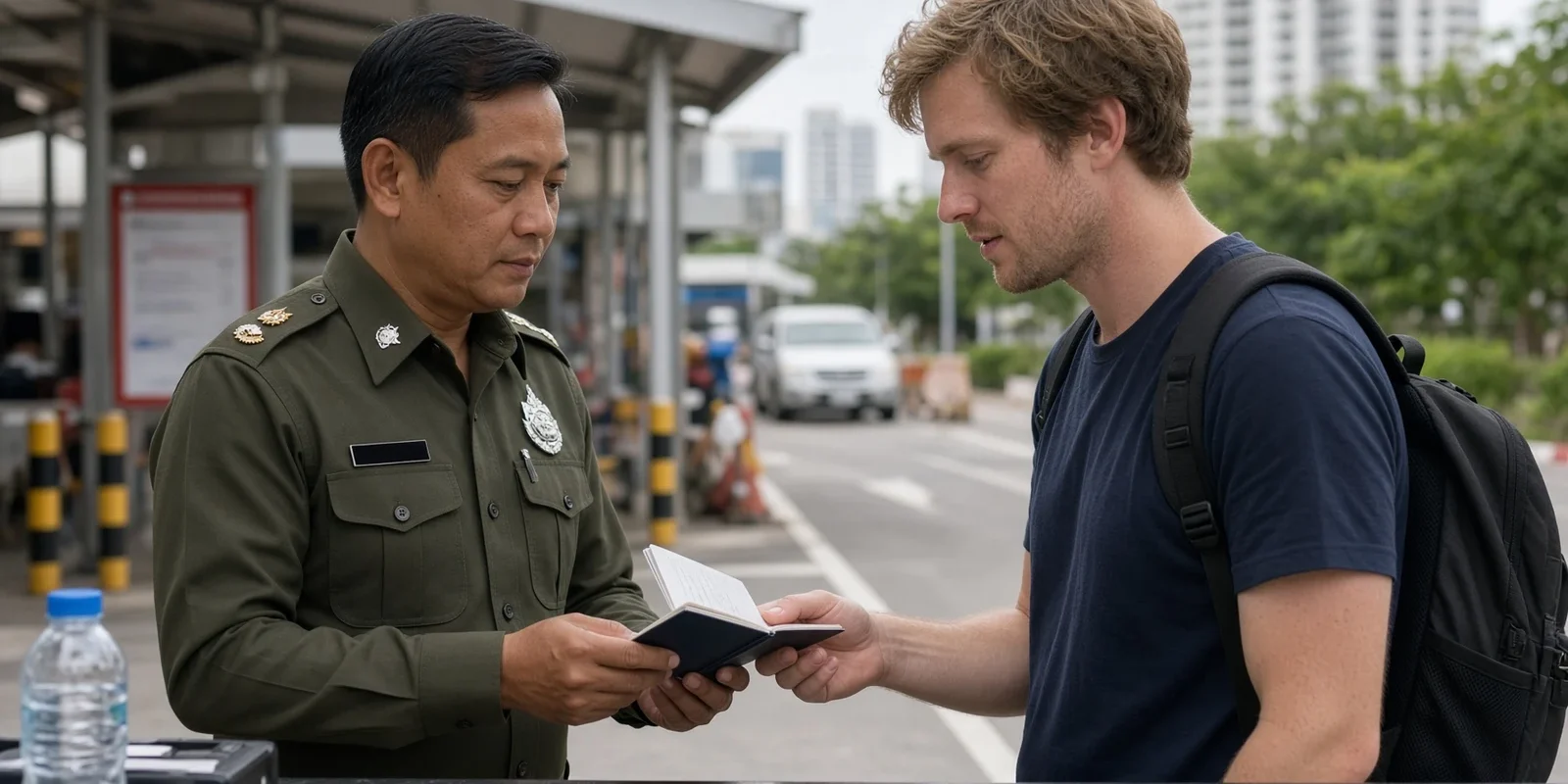
If a police officer asks for identification in Pattaya, knowing where your passport is and how to produce it can prevent confusion. The right approach is more nuanced than two common pieces of advice: ‘never take your passport outside’ and ‘you must carry the original every minute’.
In February 2010, a PersonalThailand post described a local statement about a proposed crackdown and suggested that only originals would be accepted. That was a snapshot of a particular moment, not an enduring national rule. Visitors should use current official guidance rather than treat a 2010 local announcement as today’s law.
Can Thai police ask to see a passport?
Yes. The UK government’s Thailand travel advice says police may ask to check your passport. It also says that if you do not have it with you, you could be asked to produce it at a police station within 24 hours. This is guidance to travellers, not a promise that every officer or situation will be resolved identically.
The Samut Prakan Immigration Office’s FAQs state that foreigners should carry a passport or photocopy, and advise taking the original when going away overnight. Local administrative guidance can change, so check with the relevant immigration office if your immigration status is unusual.
What information should a photocopy show?
A useful paper copy includes the passport’s identification page and a legible copy of your most recent Thai entry stamp or relevant permission-to-stay document. Keep a securely stored digital copy as a backup, but do not assume a phone photo alone satisfies every identification request.
When attending immigration appointments, flying, crossing borders or completing certain bank transactions, expect to need the original passport. It is safest to ask the institution directly about its documentary requirements.
A practical everyday document routine
- Keep the original passport in a secure, accessible place when it is not needed for a particular activity.
- Carry a clean paper copy of your identification page and latest permission-to-stay record.
- Know the address where the original is stored and how quickly you could retrieve it.
- Check your passport’s expiry and permission-to-stay dates separately; they are not the same thing.
- Keep your accommodation details and a trusted contact available if you need assistance.
If you are stopped in Pattaya
Remain calm, listen to the officer and identify yourself accurately. If there is a language barrier, ask for clarification rather than guessing. Do not offer an unofficial cash payment to settle an unclear demand.
If you are instructed to present the original later, ask where and when you should do so, and try to record the officer’s name, station and instructions. If you need help communicating, the Tourist Police hotline is 1155, a number confirmed on the Tourist Police’s official contact page.
For a serious detention or legal dispute, ask for assistance from your embassy or consulate and a qualified Thai lawyer. A travel blog cannot determine the legality of an individual search or stop from a second-hand account.
Protecting your passport while travelling
A passport is valuable for identity and travel. Do not hand it over as security for a motorcycle, jet ski or other rental. Check rental terms and propose a less risky arrangement when a company asks to retain it. The UK travel advice specifically warns about passport retention in damage disputes.
If a passport is lost or stolen, report the incident to the police, contact your embassy or consulate about an emergency travel document, and ask Thai immigration what must be done to document your lawful stay or departure.
Questions visitors ask
Is carrying a copy always enough?
No. Official sources indicate that a copy is useful and sometimes acceptable, but officers may ask to see the original. Never make an absolute promise on the basis of someone else’s routine experience.
Does a Thai driving licence replace my passport?
It may help establish identity in some everyday situations, but do not assume it replaces immigration documentation when an officer requests proof of your lawful entry or stay.
What was the problem with the 2010 advice?
It treated a reported Pattaya crackdown as if it established a permanent, uniform rule for every visitor. Current travel and immigration sources provide a more practical way to prepare.
The best habit is to safeguard the original, keep useful copies ready and know how to produce your documents promptly when legitimately asked.