People who enjoy a holiday in Thailand sometimes imagine living there permanently. The appeal is easy to understand: lively neighbourhoods, remarkable food, varied landscapes and the freedom to design a different daily routine. But the reasons that make a country wonderful for a short visit are not always the same reasons that make it workable as a long-term home.
The original 2007 Personal Thailand article asked a personal question: why stay? It reflected one person’s experiences and prices from that era. Today, a more useful answer looks at the everyday benefits alongside the practical compromises, without treating the experience of one resident as true for everyone.
Food becomes part of everyday life
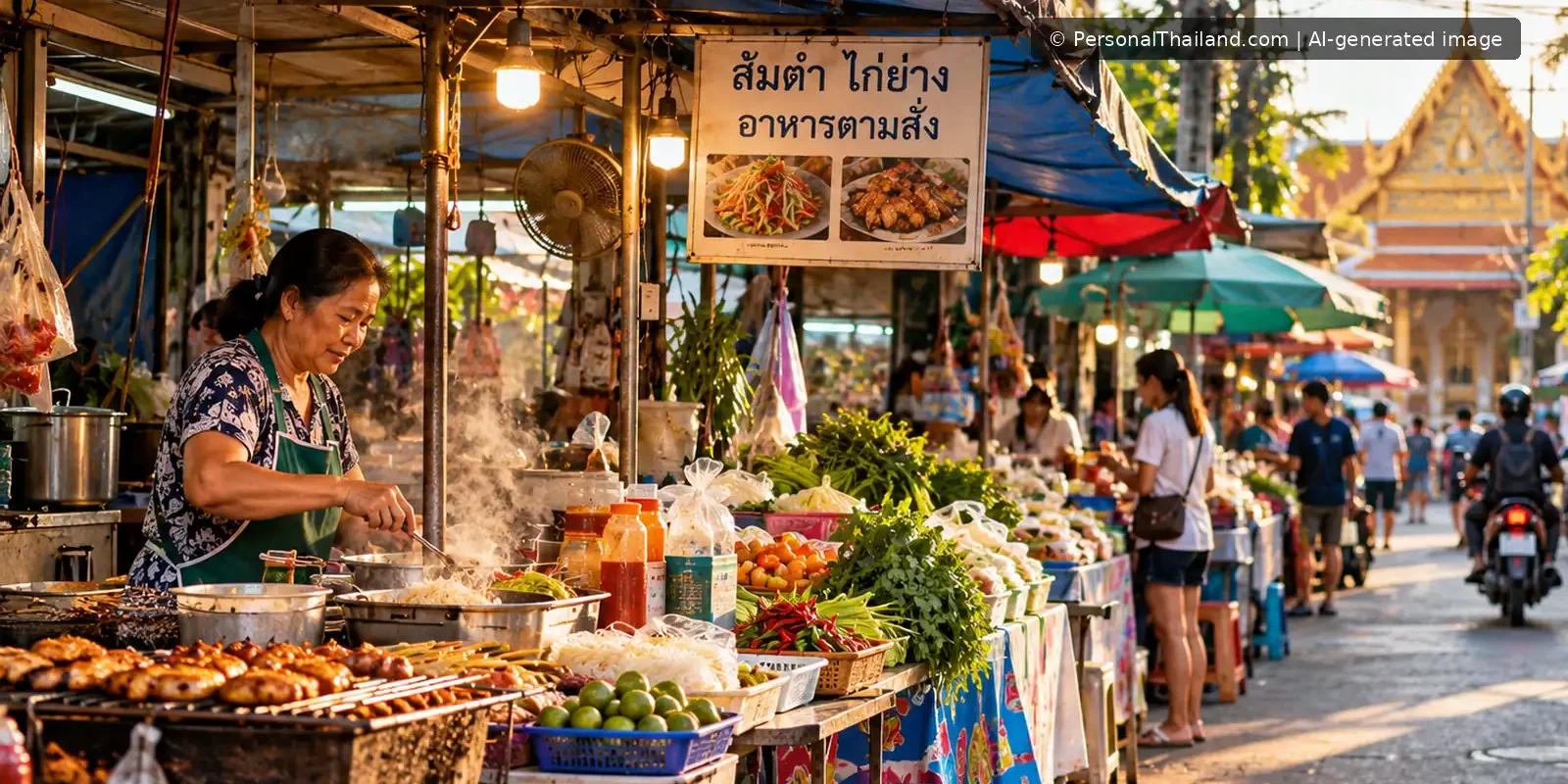
One of the pleasures of living in Thailand can be having several ways to eat well within the same neighbourhood. Fresh markets, local restaurants, family-run shops, supermarkets and food courts each fill a different role. For someone who works long hours, access to prepared meals can be a genuine convenience. For someone who loves cooking, exploring seasonal produce and regional ingredients is an education in itself.
Food costs vary widely by city, district, ingredients and dining style. Old blog claims that a good meal always costs one US dollar are not a sensible basis for a 2026 budget. A realistic plan should include groceries, occasional restaurant meals and the personal choices that matter to you.
Warm weather is pleasant — until it becomes a household expense
Some residents love being able to spend more of the year outdoors. Thailand is not, however, one single climate. Heat, humidity, seasonal rainfall and air quality differ between Bangkok, the northern provinces and coastal destinations. Daily life may mean planning walks for cooler hours, coping with heavy rain, or spending more on air conditioning than expected.
Before moving, experience your prospective location in more than one season if possible. An apartment that feels breezy during a short stay may be uncomfortable in the hottest part of the year. Visit in the daytime and after rain, observe drainage and traffic, and check the actual electricity arrangements.
Convenience depends on your neighbourhood
Bangkok offers extensive urban services, while a smaller city or rural district offers a very different rhythm. The appeal of convenience must be balanced against commute time, access to healthcare and the kind of transport you are comfortable using. No address is simply “ten minutes from everywhere”. That impression depends on your route and time of day.
For a long-term home, explore a neighbourhood as a resident would: buy groceries, travel to a workplace, walk the nearby streets, use a local pharmacy and see how easily you can reach essential services. The best neighbourhood for a visitor may not suit a family with children, a retired person or someone working remotely.
Culture is richer than a tourist slogan
Thailand’s traditions, languages, regional food and community life deserve more than a postcard description of smiling people. Residents are individuals; warmth, professionalism, disagreement and ordinary frustration all exist here as anywhere else. Learning useful Thai phrases and approaching local customs with curiosity can make daily interactions more rewarding.
Regional exploration helps, too. The Tourism Authority of Thailand’s destination guide covers the country’s different areas, from major cities to nature and cultural destinations. Living in Thailand does not mean every weekend must resemble a holiday, but occasional journeys can keep that initial sense of discovery alive.
The paperwork and financial realities
A long stay needs more planning than a tourist trip. Immigration permission, work authorisation where relevant, housing agreements, medical coverage, banking access and tax questions all require attention. The answer may depend on nationality and the type of work or residence you intend. Do not assume that buying a property, renting a flat or being able to work online automatically creates a right to remain or work.
Thailand’s official e-Visa portal explains visa categories, but it is not a substitute for checking your individual legal circumstances. If a proposed move depends on a specific status, consult the responsible Thai authority or a qualified professional before signing long contracts.
Build a budget for more than rent and meals. Include utilities, transport, healthcare, insurance, replacement of personal belongings, periodic travel and a cash buffer. Compare the costs of several districts rather than extrapolating from an inexpensive holiday week.
Relationships, community and belonging
Moving abroad can strengthen some friendships while making others harder to maintain. A satisfying long-term life often depends on a support network: neighbours, colleagues, friends and activities that are not built entirely around tourism. It takes time to become comfortable with local routines, and feeling isolated at first does not necessarily mean the destination is wrong.
Learning some Thai, respecting people as individuals and maintaining relationships beyond one’s own expatriate circle can help. It is also healthy to preserve connections with friends and family elsewhere. A good move expands your life rather than requiring you to reject your previous one.
So why stay in Thailand?
For some people the answer is the food, family or work. For others it is the climate, culture or a particular community. None of those reasons is universal. The better question is whether the practical realities of your chosen city suit your daily needs over months and years.
If you are considering the move, spend time in the neighbourhood where you would actually live, calculate a conservative budget, investigate the correct immigration status and listen to residents with different circumstances. Enjoy the things that make Thailand distinctive while allowing room for the ordinary challenges that come with any long-term home.