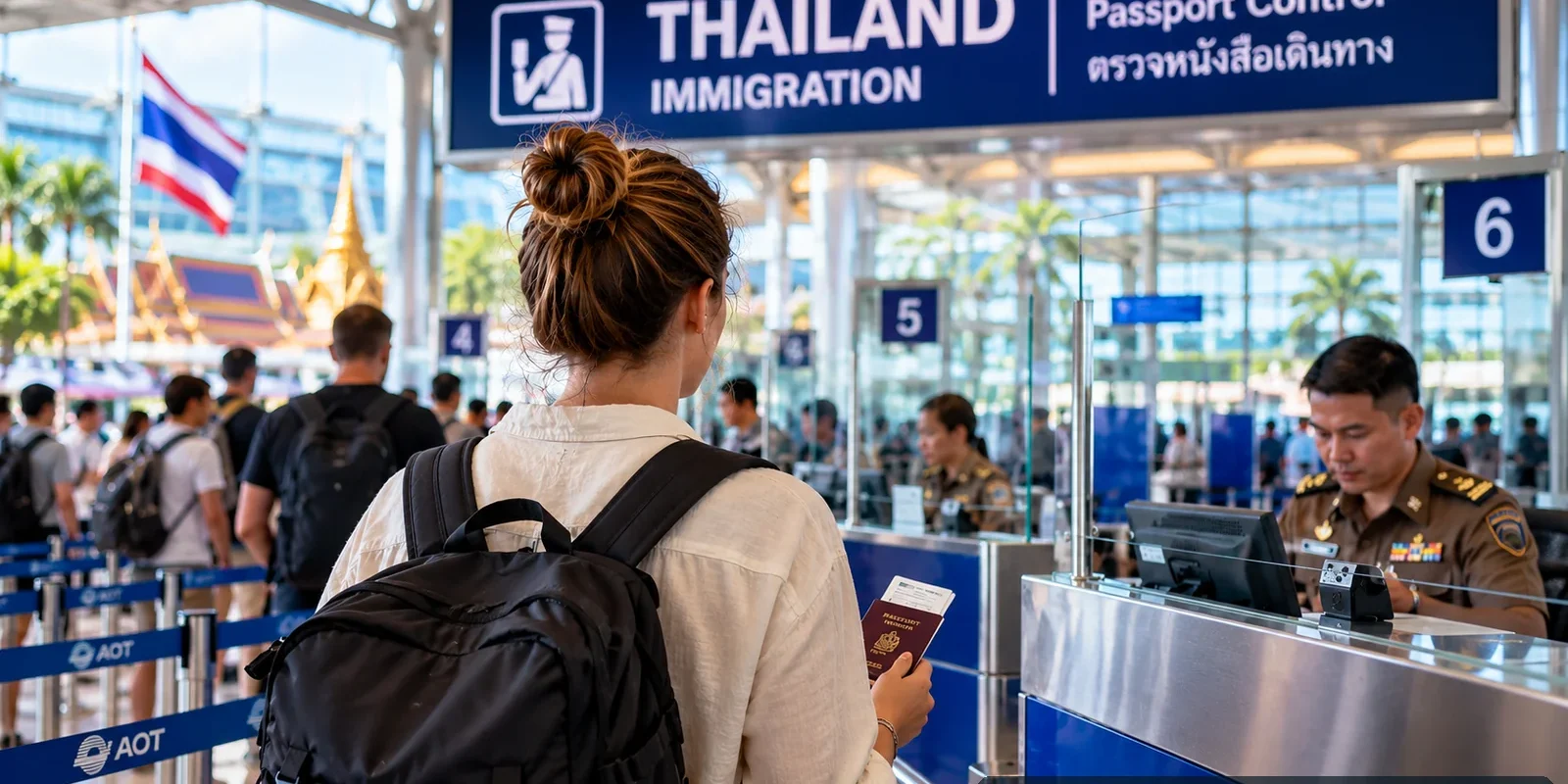
Featured illustration: AI-generated for editorial use. Image: © PersonalThailand.com | AI-generated image.
Updated: 16 October 2026. A blog post about a visa-fee increase from 2007 is not a reliable guide to what travelers pay in 2026. Today, the useful question is different: which Thai visa do you actually need, and what does the embassy responsible for your application charge?
There is no single accurate price to quote for every traveler. Thai visa costs depend on the category, the number of entries, the consular mission or application location, and sometimes the currency used by that mission. The official e-Visa portal is a better starting point than an old list of dollar amounts.
First, check whether you need a visa
Before paying any application fee, check whether your passport qualifies for visa exemption for your purpose and intended stay. As of October 2026, the Royal Thai Embassy in Stockholm states that a 30-day visa-exemption arrangement applies to eligible nationals of 60 countries for tourism and certain short business visits, effective 15 September 2026. The rules, permitted activities and nationality list must be checked for your particular passport.
Visa exemption does not mean unlimited stays or guaranteed entry. Immigration officers may check onward travel, funds or other entry conditions, and frequent back-to-back entries may receive scrutiny. If your trip does not fit the exemption, investigate an appropriate visa before travel.
Which visa category fits your journey?
Tourist visa
A tourist visa may suit someone who is not eligible for the relevant exemption or needs the terms offered by a visa rather than exemption. Verify the permitted stay and entry conditions in the official decision; application validity and length of stay are not the same thing.
Non-Immigrant visa
People going to Thailand for work, business, family reasons, study or retirement may need a relevant Non-Immigrant category. The correct type matters: a tourist visa is not permission to work, and studying or volunteering can have specific documentation requirements.
Other specialist categories
Thailand also operates categories and schemes that are not simply “regular tourist visas.” Their documents, charges and approval processes can differ. Start from the official category list rather than assuming a familiar abbreviation covers your situation.
How to find the current visa fee
- Visit the official Thai e-Visa website and read its application process.
- Identify the Royal Thai Embassy or consulate with jurisdiction over your legal residence. Do not assume you can apply through any mission.
- Choose your visa category and intended entry type.
- Read that mission’s live fee table and payment instructions, including currency and refund policy.
- Prepare your evidence before paying: passport information, suitable photos, itinerary, financial or other category-specific documents may be requested.
- Save the official confirmation and inspect its approved details carefully.
The e-Visa site explains a sequence of creating an account, completing the form, uploading evidence, paying the visa fee and receiving the electronic confirmation by email when approved. Payment alone is not visa approval.
Visa fee vs. extension fee vs. re-entry permit
These are three different charges that travelers often mix together.
- A consular visa fee is charged for processing a visa application, normally before travel.
- An extension-of-stay fee concerns an application to remain longer after entry, where an extension is available and approved.
- A re-entry permit fee applies when an existing permission to stay needs to be preserved across travel, where that permit is required.
Do not assume a visa with several entries and a re-entry permit are the same product. Also remember that a visa fee may be non-refundable even if an application is unsuccessful; verify the terms that apply to your mission.
Budget beyond the application
The total expense of arranging a legal stay can include photographs, certified translations, document authentication, travel to appointments, insurance for specific categories, and the possibility of needing extra documents. Optional agents may add substantial service fees. None of those should be mistaken for an official government visa charge.
If you use an agent, ask for an itemized invoice separating government fees from the agent’s own charge. Use only trusted channels to enter passport or payment details; impostor websites can mimic official government services.
Common questions
Can I pay in baht? Not necessarily. The mission processing your application may specify another currency or payment provider.
Is e-Visa available for every nationality and location? Application eligibility depends on jurisdiction and category. Check the portal and the relevant embassy.
Does paying more guarantee approval? No. Decisions depend on whether the applicant qualifies and supplies acceptable documents.
Is this a live price list? No. That is deliberate: prices vary and can change. The mission’s current published schedule should be treated as authoritative.
Takeaway
The smartest way to save money is to verify eligibility before paying. Start with visa exemption if your trip qualifies, otherwise choose the correct category and confirm the current consular fee at the official embassy or e-Visa portal. This general guide is not immigration advice.
Official sources and further reading
- Thailand Ministry of Foreign Affairs – official e-Visa application
- Royal Thai Embassy Stockholm – visa rules and visa exemption
- Royal Thai Embassy Stockholm – how to apply
Information checked against the sources above in October 2026. Procedures and fees may change; always confirm directly with the relevant Thai authority before acting.