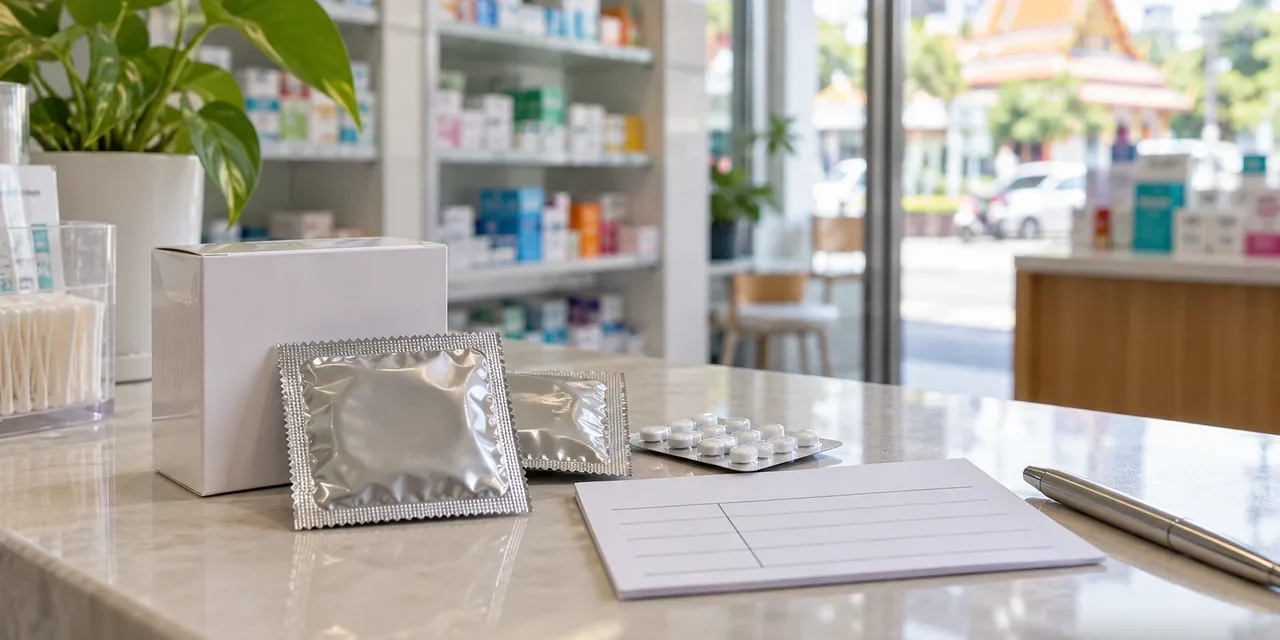
The old post argued against a myth about condoms in Thailand and worried that people treated HIV as a risk only for those working in bars. That is the wrong way to think about sexual health in Thailand. A person’s job or appearance does not tell you their HIV or STI status. Condoms come in different fits, and protection works best when both partners can discuss it without shame.
Sexual health in Thailand is not about stereotypes
Anyone who is sexually active may need information about testing and prevention. Do not assume a long-term partner has been tested, or that a casual partner has not. Ask what protection each of you wants and whether either has a recent test. A negative test has a date and a window period; it is not a permanent certificate of safety. Respect a partner who says no to sex without the protection they prefer.
People often avoid the conversation because they fear sounding accusing. I find a straightforward question kinder: “When were we last tested, and what would make us both comfortable?” The answer can include condoms, a clinic visit and discussion of contraception. HIV prevention and pregnancy prevention overlap in some choices but are not identical.
Fit matters more than a boast about size
A condom that is too loose may slip; one that is uncomfortable may be used incorrectly or abandoned. Look at the product’s stated size and instructions, check the expiry date and use a new one for each act. Ask a pharmacist or reputable clinic about available options if the usual size does not fit. Avoid unbranded products from uncertain storage conditions. Heat and damaged packaging can matter.
Use a compatible lubricant where appropriate and follow the product instructions. Do not improvise with an oil-based product that can damage a latex condom. If you have a latex allergy, ask about suitable alternatives. This is ordinary practical information, not a reflection of anyone’s character.
Testing and prevention beyond condoms
Clinics can advise about testing for HIV and other sexually transmitted infections according to the exposure and symptoms. Some infections have no obvious signs. If a possible HIV exposure has just happened, seek medical assessment promptly for PEP; international guidance recommends starting within 72 hours when indicated. If exposure risk is ongoing, ask whether PrEP is appropriate. Neither medicine should be borrowed from a friend or taken without proper testing and follow-up.
UNAIDS describes Thai community organisations that offer HIV testing, counselling and PrEP in partnership with the health system. Find a current provider through its official channel and ask about eligibility and confidentiality. If a result is reactive, follow the clinic’s confirmatory process. Effective HIV treatment is available and early contact with care matters.
What to do when a condom breaks
Stop, replace it if continuing and think through the specific risk with a health professional. Emergency contraception may be relevant to pregnancy risk; PEP may be relevant to HIV risk. The appropriate timing and choice depend on circumstances. Do not wait for symptoms. Save the date of the event and any medicines you take, and ask about follow-up testing.
It is important to speak without blame. A broken condom is a practical problem to address together, not evidence that one person intended harm. If a partner deliberately removes protection without consent, that is a different and serious violation; seek support and medical care.
Privacy and respect
Never publish another person’s diagnosis, test result or sexual history. If you are worried about your own risk, you can get advice without naming someone in a public post. Our online privacy guide addresses digital safety more broadly. A screenshot of a clinic result belongs in a secure conversation with a professional, not a gossip group.
The lesson of the old piece is worth keeping after removing its assumptions: protection is for ordinary people, and there is no shame in finding a condom that fits or asking for a test. The practical tools have improved. Our willingness to use them should improve too.
FAQ
Are different condom sizes available in Thailand?
Products vary. Check packaging and ask a pharmacist or clinic for a suitable, reputable option if the usual fit is uncomfortable or insecure.
Can I tell if a partner has an STI from appearance?
No. Many infections cause no obvious symptoms. Testing and honest conversation are more reliable.
Should I get PEP after every condom problem?
A clinician assesses whether HIV exposure warrants it. Seek prompt advice; when indicated, PEP is time-sensitive.
Does PrEP replace condoms?
PrEP prevents HIV when taken as prescribed, but it does not prevent every STI or pregnancy. Discuss a complete plan with a clinician.
More from Personal Thailand
If you enjoy practical reporting and personal perspectives on Thailand, you can support my work and explore member-only content through either platform:
- Subscribe to Personal Thailand on X — creator membership with access to applicable subscriber-only posts and benefits.
- Join or support Personal Thailand on Buy Me a Coffee — browse available memberships and support options.
These are separate services with different charges and membership benefits. Paid access may be required; subscribing on one does not automatically grant access on the other. The main information in this article is free to read above.