Information reviewed: October 2026.
A good Thailand story is not simply a list of attractions. It shows what happened, where it happened and what another person can learn from the experience. Whether you live in Bangkok, teach diving in the south or have just finished a cycling journey, useful details are often more memorable than sweeping opinions.
In March 2010, PersonalThailand invited people to contribute stories about volunteering, farming, business, motorbike trips, nightlife and other ways of experiencing Thailand. That was a historical invitation, not a standing promise of a contributor programme, sponsorship or paid writing today. The enduring idea is still worthwhile: Thailand deserves to be understood through many authentic perspectives.
Start with one clear experience
Instead of trying to explain all of Thailand, choose a specific question: What did it take to arrange a month of volunteering? What surprised you about travelling by bicycle in the rainy season? What practical mistakes did you make when renting a home?
A story becomes easier to follow when it has a beginning, a moment of discovery and a useful conclusion. Readers should understand whether the account comes from a single weekend, years of living in Thailand or conversations with other people.
Include details a reader can check
Places, dates and circumstances make a first-person narrative helpful. Note the province, approximate season, transport method and what you actually did. If you quote a price, say when you paid it and what was included. That is very different from announcing it as the standard price everywhere in Thailand.
Distinguish observations from universal claims. ‘The bus I used was delayed that afternoon’ is direct experience. ‘Buses in Thailand are always late’ is a much larger assertion requiring evidence that one journey cannot provide.
A useful structure for a first-person Thailand article
- Context: What took you there, and when?
- The experience: What happened, in concrete terms?
- Practical information: Which steps could help a future visitor?
- Limits: What may have changed or depended on your circumstances?
- Reflection: Would you do something differently next time?
Photographs should explain, not mislead
Use your own photographs when possible and obtain permission before sharing images of people in situations where they may reasonably expect privacy. Be especially careful with children, vulnerable people, medical situations and private homes.
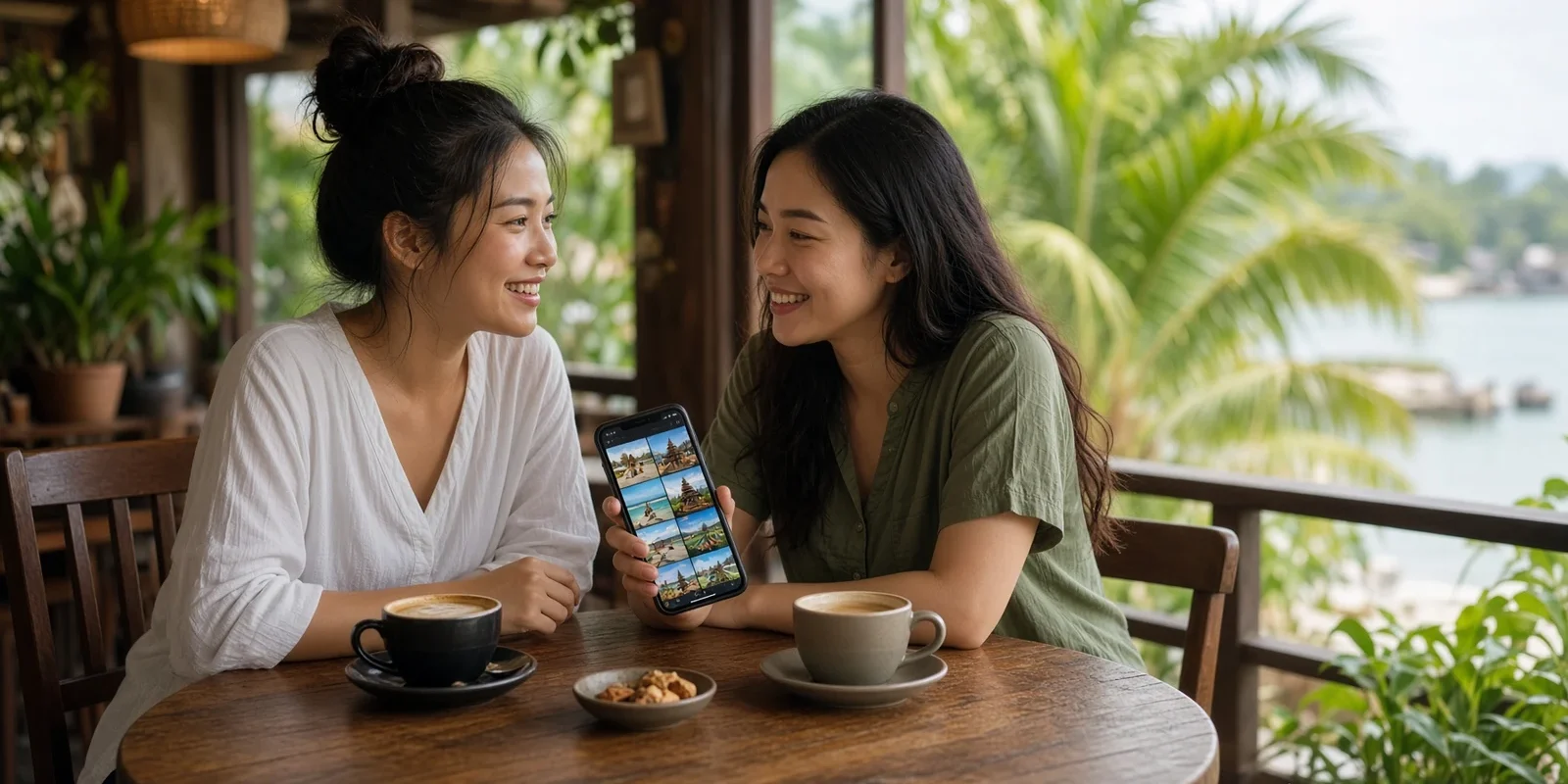
When a picture is a stock photograph, staged illustration or AI-generated conceptual image, label it accurately. A generated market or ceremony should never be presented as evidence that an event occurred at a specific place on a specific date.
Verify important claims
Visa requirements, driving rules, safety conditions, business ownership laws and opening hours change. Research those topics independently before offering instructions that someone might act on. Prefer the relevant Thai authority, an embassy or another primary source when the issue involves official rules.
The Society of Professional Journalists’ ethics code provides broadly useful habits for anyone creating public-interest information: check accuracy, give context, identify sources, avoid stereotyping and distinguish commentary from verified reporting. Those principles are just as helpful to a travel blogger as to a news reporter.
Respect the people in your story
Thailand is not a single personality. Two businesses on the same street can operate differently; two people can describe the same situation honestly and still disagree. Avoid writing about ‘all Thai people’, ‘all foreigners’ or ‘every taxi driver’ as if an encounter with one person proves something about a whole population.
When a story includes a dispute, explain what you witnessed and allow for missing information. Avoid accusing identifiable private people of crimes without reliable records and an opportunity for a response. Name a business only when the information is relevant, supportable and fair.
Keep commercial relationships transparent
If you received a free stay, transport, gift or other benefit, disclose it clearly. If a link may earn a commission, explain that relationship. Readers should be able to tell whether an enthusiastic recommendation came from an independently paid visit or a sponsored arrangement.
Make the story useful after your trip
Review older writing periodically. Add a clear update when a train route changes or a restaurant closes; remove directions that no longer work. Keep the original publication date intact if you maintain an older post, while indicating the date on which the practical details were last checked.
A Thailand story does not need drama or exaggeration to be compelling. A patient description of a market vendor’s craft, a complicated travel day or the lessons of running a small business can reveal much more about the country than a recycled list of ‘must-see’ places.
Write what you actually know, tell the reader what remains uncertain and let the human experience carry the story.
More from Personal Thailand
If you enjoy practical reporting and personal perspectives on Thailand, you can support my work and explore member-only content through either platform:
- Subscribe to Personal Thailand on X — creator membership with access to applicable subscriber-only posts and benefits.
- Join or support Personal Thailand on Buy Me a Coffee — browse available memberships and support options.
These are separate services with different charges and membership benefits. Paid access may be required; subscribing on one does not automatically grant access on the other. The main information in this article is free to read above.