Editorial update: 17 October 2026. This travel guide replaces a historical post with researched, practical visitor information. Prices, opening times, transport schedules and access rules can change.
At a glance: Plan a thoughtful Kanchanaburi trip with the River Kwai bridge, wartime history, Erawan Waterfall and practical transport and safety advice.
A province with more than one story
Kanchanaburi is a river-and-forest province west of Bangkok known for its Second World War railway history, waterfalls and scenery. The Khwae Noi and Khwae Yai rivers meet near Kanchanaburi town to form the Mae Klong. The tourism authority identifies both the rivers and the surrounding countryside as defining features of the destination. Visitors can plan an educational trip, a nature break or a combination, but the places involved may be far apart.
The original 2007 post focused on borders and administrative districts. These details are less useful than knowing which sites you want to visit and what they represent. Rather than listing old village counts, this guide focuses on historical context, respectful visits and realistic journey planning.
Understanding the Bridge on the River Khwae
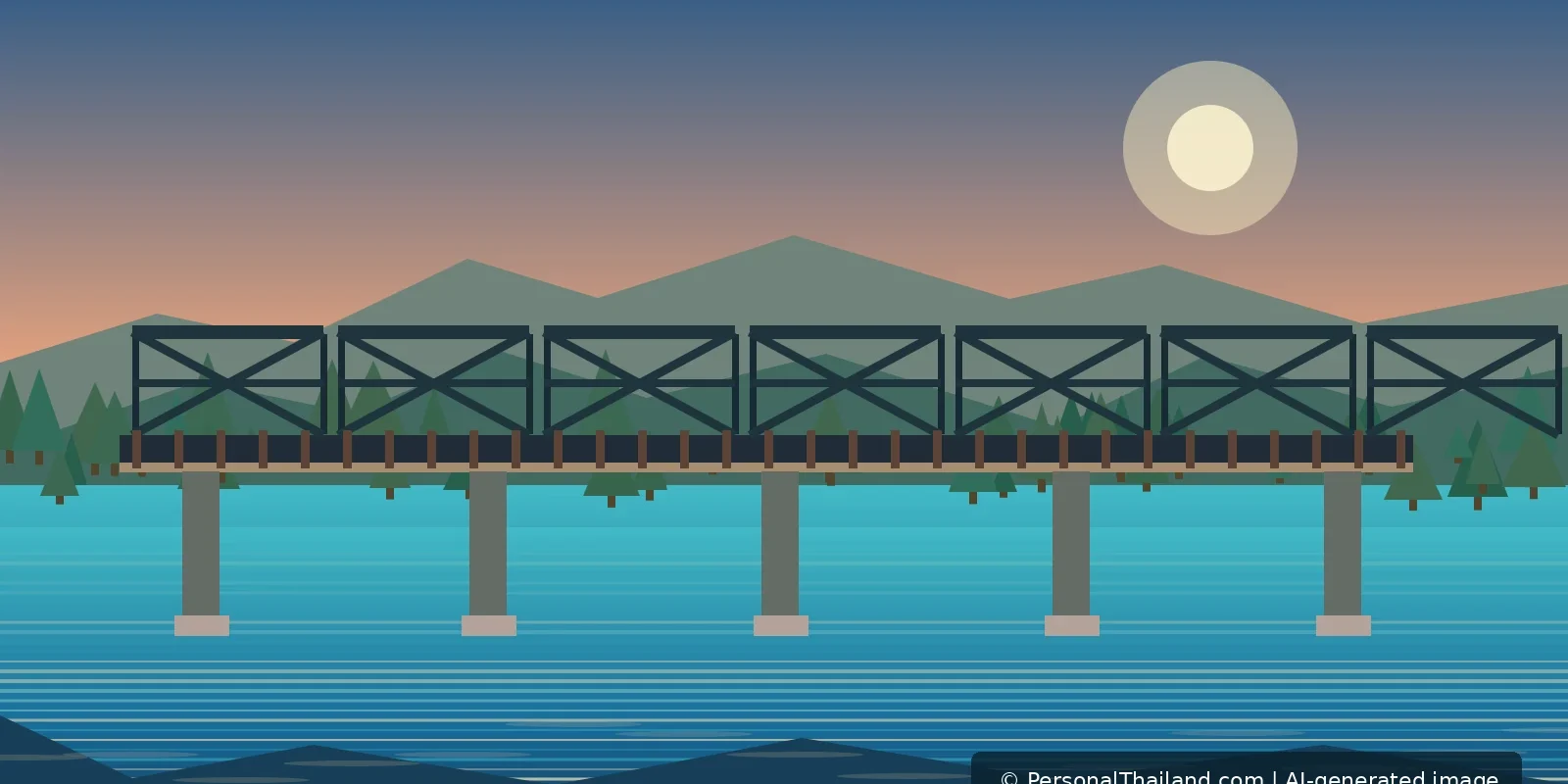
The steel railway bridge in Kanchanaburi is one of the province’s most famous landmarks. Thailand’s tourism authority identifies it as part of the wartime railway and explains that it was damaged during the war and repaired afterwards. The bridge should be understood through the history of forced labour and loss of life, not simply through a film title or a tourist photo.
Walk around the area with care, respecting any access restrictions and railway operations. The bridge and nearby memorial places are visited by families whose relatives suffered during this period. Keep language and photography appropriate, particularly at cemeteries and remembrance locations. When you want more detail, include a properly researched museum or interpretive centre instead of relying on brief captions and souvenir stalls.
War Cemetery and the railway story
The Kanchanaburi War Cemetery is a significant memorial in the town area, and the official bridge attraction page notes it as a place associated with those who died while building the railway. A quiet visit can help put the bridge in context. History here involves different groups of prisoners and labourers, so avoid reducing the story to a single nationality or a simplified adventure narrative.
Historic railway sections and sightseeing journeys are also associated with Kanchanaburi. Services and schedules can change. Do not plan around departure times copied from older articles; check the operating railway or a credible booking channel directly, especially when combining several attractions in one day.
Erawan Waterfall and forest experiences
Erawan Waterfall, in the Si Sawat area of Kanchanaburi, is a well-known nature destination. Thailand’s tourist authority confirms the location and the waterfall attraction. It is not a short stroll from every Kanchanaburi hotel, so check your route before assuming that a city day trip can include multiple distant stops.
Waterfall conditions vary with rainfall and local management. Pools that look calm in photos can become unsafe, and sections of a trail may close temporarily. Follow park guidance, avoid entering restricted water, wear shoes suited to wet surfaces and never assume that swimming is permitted because someone did it in an old travel blog. Current prices and opening times should be checked with the park rather than taken from a historical guide.
Where to stay and how long to allow
Kanchanaburi town is convenient for the bridge, museums, local restaurants and onward transport. Staying farther out can put you closer to forested areas or riverside accommodation, but it often increases dependence on a car, driver or arranged transfers. Check whether your accommodation is close to the attractions you intend to visit rather than treating the entire province as one compact destination.
A simple two-day plan could dedicate the first day to the bridge and wartime history, with the second day reserved for one principal nature destination. Three days would give more breathing room for a longer trip or rest day. If you use a private car, agree on the itinerary, waiting times and total cost before leaving.
Safety on roads, water and trails
Long road journeys, water activities and uneven paths require more preparation than a short city walk. Wear a seat belt, use a properly licensed driver and avoid overloaded or poorly maintained boats. For hiking, check whether a route is open and whether a guide is recommended. Tell someone where you plan to be if you are travelling into remote areas.
Carry water and protection from sun and rain. Keep your phone charged but do not depend on constant reception away from towns. Near rivers or waterfalls, follow posted signs even if conditions seem pleasant. Safety advice about offshore boats should not be copied wholesale onto local river cruises; assess the actual activity and use guidance that fits it.
Practical questions
Is Kanchanaburi only about the bridge? No. The bridge is central to the historical story, but the province also has substantial forests, waterfalls and riverside experiences.
Can the bridge and Erawan Waterfall fit into one day? It may be possible with a carefully planned vehicle route, but it can feel rushed, especially with meaningful time at memorial sites.
Are train times fixed all year? Do not assume so. Check the current service directly before travelling.
Official sources and further reading
These pages were used to check the destination descriptions. Always consult the operator or relevant authority for current services and fees.
- Tourism Authority of Thailand — Kanchanaburi province
- Tourism Authority of Thailand — Bridge Over the River Kwai
- Tourism Authority of Thailand — Erawan Waterfall
Planning note: This guide does not guarantee access, prices, safety or travel times. Verify current arrangements before visiting.