Last reviewed: 23 October 2026.
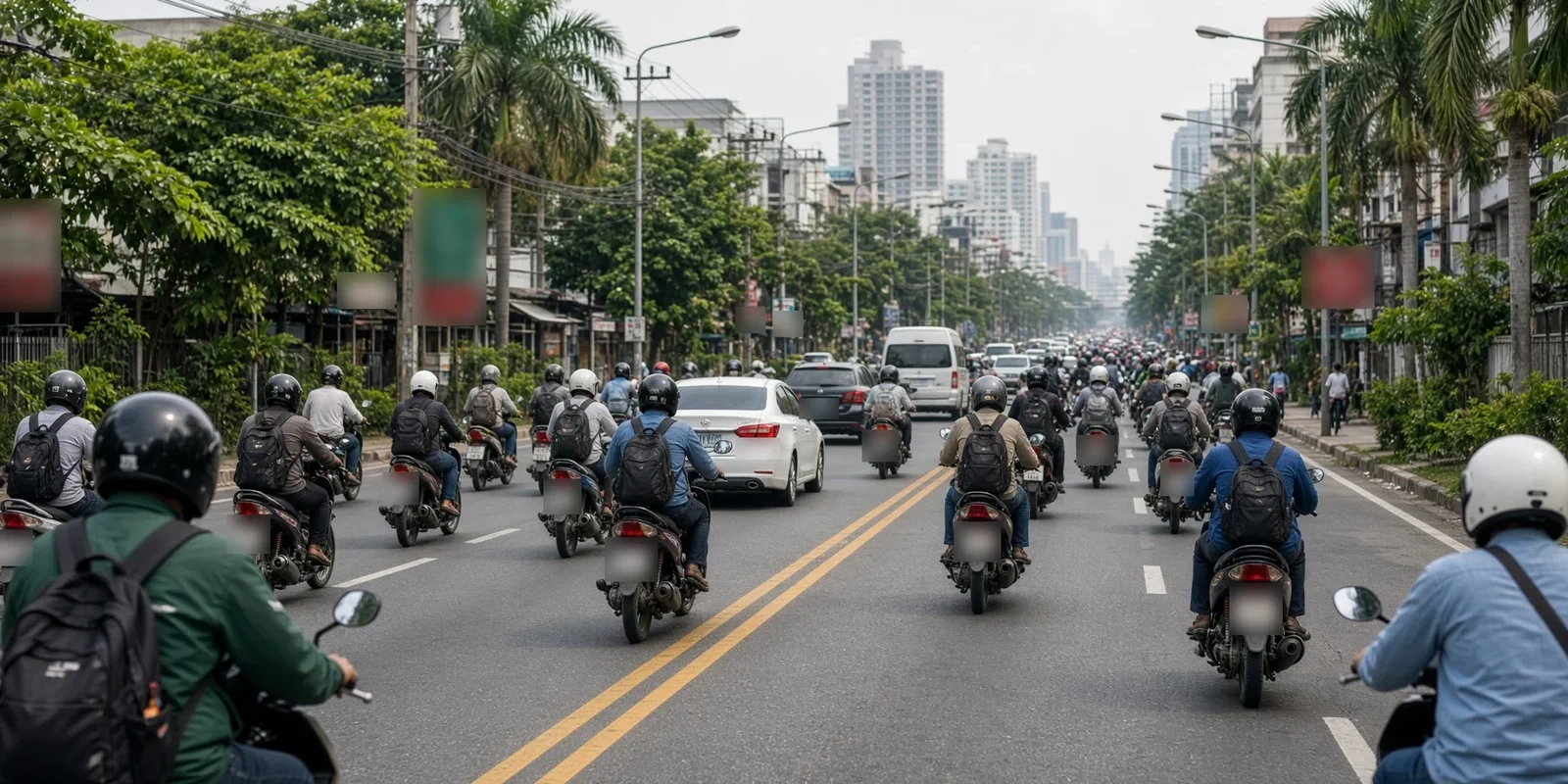
Thailand is a rewarding country to explore by road, but a beautiful route can still be dangerous. Traffic conditions, road layouts, motorcycles, speeding and unfamiliar driving habits can create risks for locals and visitors alike. Planning your journey matters much more than trying to guess who will be at fault if something goes wrong.
An older version of this article focused on road deaths during Songkran, Thailand’s traditional New Year. Road safety is important throughout the year, but long holiday journeys bring added reasons to think about fatigue, crowded roads and safe transport choices.
Why road safety deserves serious attention
The World Health Organization’s Thailand country profile reports 11,996 road traffic fatalities in 2024 and notes the disproportionate effect on motorcycle users and working-age people. That is a historical annual figure, not a forecast or a running total for 2026. The practical message is clear: riders and drivers should not treat road travel as risk-free simply because a journey is short.
Protective equipment, licensing, vehicle condition and the decision not to ride when tired or intoxicated can reduce avoidable risks. None of them eliminates danger entirely. A cautious driver still needs to allow room for mistakes made by others.
Renting a scooter is not the same as renting a bicycle
A rented scooter may look small and easy to handle, yet it is a motor vehicle. Check that you hold the correct legal entitlement for its class, that your travel insurance covers the activity, and that you understand the rental agreement. A car licence is not automatically sufficient for every motorbike.
Wear a properly fitting helmet, including as a passenger, and use protective clothing and closed footwear where possible. Inspect tyres, brakes, lights and mirrors before accepting the vehicle. Photograph its condition and do not leave your passport as a rental deposit. The UK travel safety guidance warns that a lack of the correct licence may also affect insurance coverage.
Safer choices on unfamiliar roads
- Keep speeds conservative, especially near markets, schools, junctions and roadside stalls.
- Expect pedestrians and motorcycles to appear from side streets and between parked vehicles.
- Avoid riding in heavy rain or poor visibility if you are inexperienced.
- Never use a phone in your hand while driving.
- If you cannot safely control the vehicle, choose a licensed driver or another transport option.
Preparing for a long-distance car trip
Build a route around realistic driving time rather than the shortest map estimate. Motorway conditions, rain, construction, local traffic and stops can all change your arrival time. Share your itinerary with someone, check the tyres and lights, and plan safe places to rest.
Choose daylight travel if you are unfamiliar with a mountainous or rural route. Do not start a long drive after a late night out. If several people are travelling, arrange breaks and a driver change where legal and practical. Children should use appropriate restraints, and everybody should wear a seat belt.
Songkran and other busy holiday periods
Songkran celebrates the Thai New Year in mid-April. Families travel to visit relatives and communities mark the holiday in many different ways. The water celebrations are one part of a much larger Thai tradition; they should not be used to portray the holiday itself as dangerous or irresponsible.
Drivers should expect local event traffic, pedestrians and occasional water-splashing near celebration areas. Do not drink and drive. In a place where people may splash water towards vehicles, slow down and avoid riding a motorcycle through dense celebrations. Consider public transport or staying near the celebrations instead of moving from venue to venue by scooter.
Check local event announcements and any temporary road restrictions before travelling. Dates and road closures can change between years and between provinces. Do not rely on the specific accident counts or claims about enforcement in a 2010 newspaper or blog post as evidence of present conditions.
What to do if there is a crash
Put immediate safety first. Avoid placing yourself in moving traffic, call for medical help when anyone is injured, and follow instructions from emergency services. In Thailand, the medical emergency number is 1669 and the police emergency number is 191. The official UK help page for Thailand also lists Tourist Police at 1155.
Tell your insurer promptly, record the location and basic details where safe, and keep receipts and incident documents. If you do not understand a document, request a qualified interpreter rather than signing something you have not read. Accident responsibility depends on the evidence and the applicable law; nationality does not automatically determine who is at fault.
One rule that works everywhere
Do not try to win time by taking road risks. Slow down, travel rested, wear the right equipment and choose transport that matches your experience. Thailand’s roads are used by millions of people every day, and careful planning gives both visitors and residents a better chance of getting home safely.
More from Personal Thailand
If you enjoy practical reporting and personal perspectives on Thailand, you can support my work and explore member-only content through either platform:
- Subscribe to Personal Thailand on X — creator membership with access to applicable subscriber-only posts and benefits.
- Join or support Personal Thailand on Buy Me a Coffee — browse available memberships and support options.
These are separate services with different charges and membership benefits. Paid access may be required; subscribing on one does not automatically grant access on the other. The main information in this article is free to read above.