Editorial update: 18 October 2026. This practical destination guide replaces outdated details in the original article. Check local arrangements before travelling.
Chanthaburi is one of eastern Thailand’s most rewarding towns for travellers who enjoy streets with history, local food and a place that is not built entirely around a beach resort. The old riverfront, gem-trading district and mix of religious and architectural traditions give it a distinctive character.
The original article focused heavily on French influence and an old list of administrative districts. That history matters, but today it makes more sense to explore how Chanthaburi developed as a trading town, and what visitors can actually see on the ground.
Walk the historic riverside neighbourhood
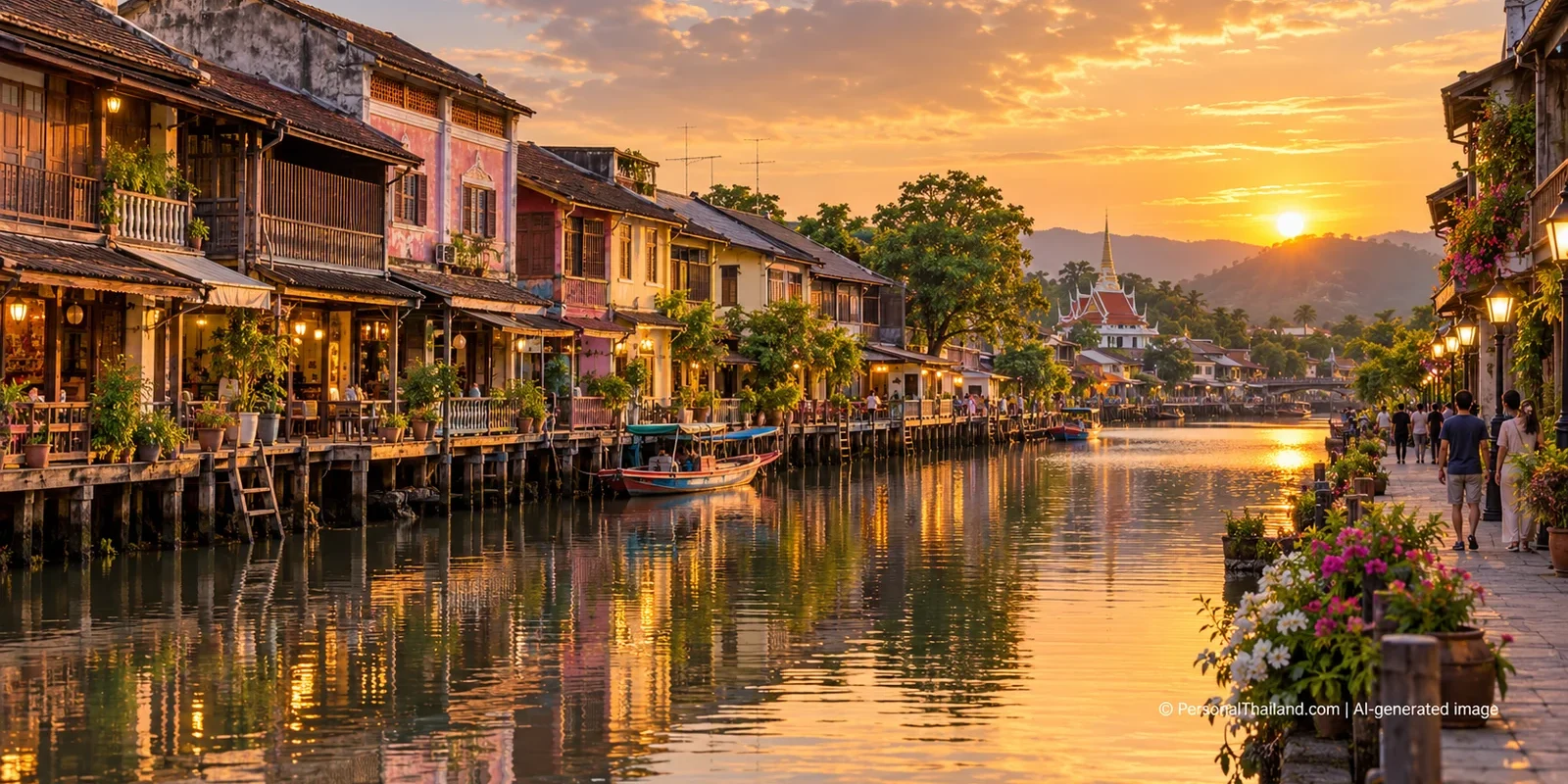
Chanthaburi town grew beside the river as a commercial centre. Along the historic waterfront, old shopfronts, houses and cafés show a mixture of Thai, Chinese and European-influenced building styles. The riverside community remains a lived-in neighbourhood; it is not simply an open-air museum.
A slow walk is the best way to appreciate the details. Look for timber façades, old doors, family businesses and the changing rhythm between quiet lanes and busier food streets. Stop for a meal or coffee and give yourself time to wander rather than racing from one photograph to the next.
If a house or workspace appears private, treat it as private. Ask before photographing residents or stepping inside. Old buildings can be fragile, and it is better to follow open access areas than assume every doorway is a tourist entrance.
Understand the cathedral and the town’s cultural mix
The Cathedral of the Immaculate Conception is one of Chanthaburi’s best-known landmarks, reflecting the town’s Catholic community and layered history. TAT’s province guide highlights the cathedral and European influence in the town’s architecture.
The city’s character also reflects Thai and Chinese settlement and trading traditions. It is more accurate to describe a mix of communities and influences than to suggest one historical episode explains every building or family history here.
Remember that the cathedral is a place of worship. Visitors should follow local opening guidance and any restrictions around services, photography or dress. A quiet visit shows more respect than treating worshippers as part of the scenery.
Discover the gem-trading streets
Si Chan Road, widely known for its gem market, is central to Chanthaburi’s reputation as a gemstone-trading destination. The official TAT attraction page identifies this as an active commercial district rather than a staged souvenir attraction.
Watching the trading environment can be fascinating, but a visitor should not treat a brief look at a stone as proof of its quality or value. If you want to purchase gemstones, buy from a traceable seller, ask for proper documentation, understand return terms and consider independent assessment for expensive items.
It is entirely reasonable to enjoy the district without buying anything. The street atmosphere and the story of the trade are attractions in their own right.
Food, fruit and nearby nature
Chanthaburi is associated with orchards and tropical fruit. Seasonal fruit availability varies, and a market stall is often a good place to see what is actually being harvested. Local meals offer another way to experience a town that combines several cultural influences.
TAT also highlights Namtok Phlio, a waterfall area, and Khao Khitchakhut, known in part for a Buddhist pilgrimage tradition. These are separate outings rather than attractions you should automatically fit into the same short afternoon as the old town.
Some nature destinations have seasonal arrangements or weather-related access restrictions. If you plan a mountain, waterfall or pilgrimage trip, confirm the relevant current rules before travelling.
Stay overnight or visit on a day trip?
A day trip can introduce Chanthaburi’s old town, but one night gives you a more relaxed morning or evening and time to explore the market district without a tight deadline. If you want both cultural sights and a nature excursion, two or more days is more realistic.
Choose accommodation according to where you intend to spend most of your time. A hotel near town suits a walking-focused visit; coastal accommodation suits a different kind of trip, with additional travel needed to reach historic neighbourhoods.
Practical tips for visitors
Wear comfortable shoes for walking streets and bring protection from sun or rain. For the gem market, keep purchases and receipts secure. Use a licensed or clearly identified transport provider for out-of-town excursions and confirm return arrangements, especially if mobile coverage or public transport is limited.
Avoid planning a trip around an old list of exact market hours, admission fees or holiday events. Check with the venue or provincial tourism information before departure.
Frequently asked questions
Is Chanthaburi mainly a beach destination?
No. The town’s heritage, riverside streets and gem trade are major reasons to visit, though the province also has coastal areas.
Can visitors browse the gem market without buying?
Yes. Observation and walking are worthwhile, and expensive purchases deserve independent verification.
Is the cathedral open to visitors?
Access may vary around services or local arrangements; follow the site’s current guidance.
Official sources
Image disclosure: Featured illustration created with AI for editorial use. It is not a documentary photograph of any identified building or street.
Travel information note: Prices, opening arrangements, access and timetables may change. For time-sensitive details, check the attraction or operator directly.