Buying camping equipment in Pattaya is not quite the same as packing for a dry, cool-weather trip. Thailand’s heat, humidity, seasonal rain and insects change what makes a tent comfortable. Whether you are preparing for a short campsite stay or a longer trip elsewhere in the country, the best purchase is gear suited to the climate and to the place where you are actually allowed to camp.
Start with the campsite, not the tent shop
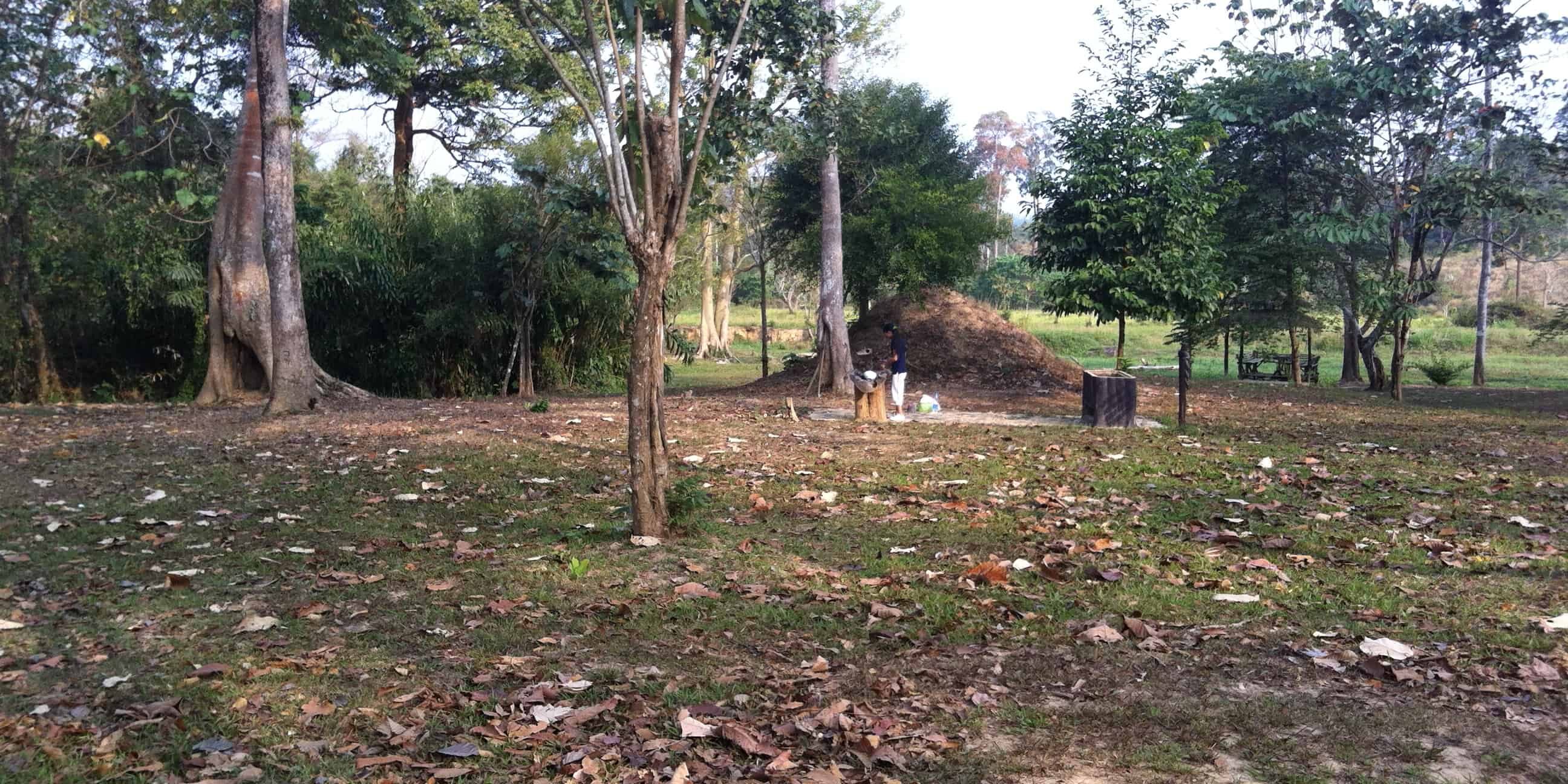
Before buying a tent, choose your destination and confirm that overnight camping is permitted. National parks, private campsites and commercial resorts can have very different rules about bookings, tents, cooking, fires and vehicle access. A beautiful beach or forest is not automatically a legal or safe place to pitch a tent.
Thailand’s Department of National Parks has official information about national parks and camping areas. Its booking news page can also announce changes to reservation arrangements. Check the current park-specific conditions before purchasing equipment for a particular trip; official booking websites and procedures can change.
Choose a tent for humidity and rain
For a warm coastal climate, good ventilation matters as much as waterproofing. Look for mesh panels that keep insects out while allowing air to circulate, a rainfly that covers vulnerable openings and a floor that can cope with damp ground. If you travel during wetter periods, check how the tent handles sustained rainfall rather than relying only on a marketing label.
Capacity labels can be optimistic. A two-person model might technically fit two sleeping bodies without leaving much room for bags. If comfort matters, compare the floor dimensions and how easily you can sit up. Test the tent’s pitching process before your first overnight trip, ideally in a space where missing parts can be replaced.
A practical camping equipment checklist
- Tent and rainfly: check seams, poles, pegs, guy lines and packed size.
- Ground protection: consider a compatible footprint or groundsheet, used correctly so rain is not funnelled under the floor.
- Sleeping equipment: a sleeping mat for ground comfort and suitable lightweight bedding for the expected conditions.
- Lighting: a headlamp and spare power source so you can move safely after dark.
- Water: a reliable drinking-water plan and containers that are easy to keep clean.
- Weather protection: a compact rain jacket, dry bags and a change of clothes.
- Insect protection: well-fitted mesh, suitable repellent and long clothing when needed.
- Basic care: personal medication, a small first-aid kit and a charged phone.
- Waste management: bags to pack out anything you brought in.
Adapt the list to your destination. A serviced private campsite may provide toilets, drinking water or rental tents; a more remote approved camping area may require substantially more preparation.
Where to look for camping gear in Pattaya
Local sporting-goods outlets, larger shopping centres and outdoor-equipment sellers can be places to begin looking. Online shops may offer a wider selection, but shipping time, return rules, warranties and product specifications matter. Because individual stores move, change stock or close, do not assume a shop mentioned in an old blog post still has a camping department.
Compare the actual model rather than a product photo. Ask whether the display tent is identical to the boxed version. Inspect zips, stitching, poles and packaging before accepting a purchase. For tents purchased online, check the seller’s return terms before removing tags or taking the tent into the field.
What is worth spending more on?
Reliability is often more important than extra features. A dependable rainfly, good seams, strong zips and repairable poles can make a bigger difference than decorative windows or accessories you never use. A cheap festival tent may be adequate for a sheltered backyard trial but unsuitable for an exposed, rainy campsite.
Consider the total carrying weight if you will travel without a car. A tent that feels light in a showroom may be less practical once water, food, bedding and personal gear are added. Do not buy an oversized stove or fuel system before checking the campsite’s fire and cooking rules.
Camping safely in Thailand
Ask campsite operators about rainfall, flooding risk, drainage, wildlife and emergency access. Never pitch a tent in a dry streambed or other low ground that could flood quickly during a storm. Secure the tent properly, leave natural areas undisturbed, and store food and waste according to local rules.
Do not assume you can light a campfire. Some areas prohibit open flames, especially when conditions are dry. Avoid generators or cooking equipment inside tents because of fire and carbon-monoxide hazards. If severe weather is forecast or local officials close an area, change the plan rather than trying to camp through the problem.
Buy for the trip you are really taking
The best camping equipment in Pattaya is not necessarily the most expensive set on a shelf. Choose a destination first, verify its rules, then select gear for the expected weather and facilities. With that preparation, a simple tent and a well-packed bag can be more useful than a car full of gadgets.