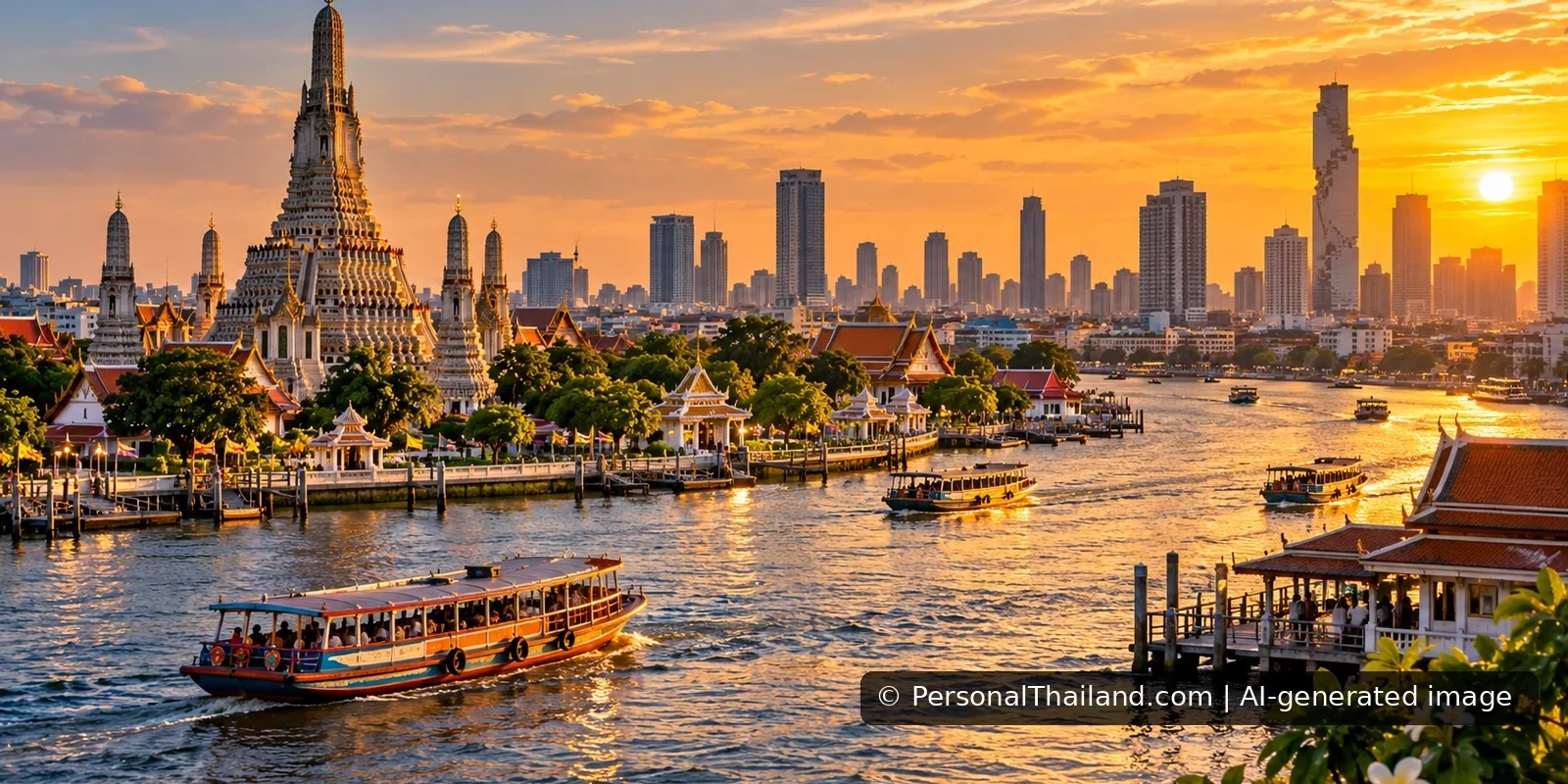
Bangkok is an energetic mix of riverfront history, neighborhood markets, modern buildings and everyday Thai life. You do not need an old claim about its position among the world’s largest cities to explain why the capital matters. Visitors can experience historic royal sites, Buddhist temples, food streets and contemporary districts in a single trip, but the best days are planned around geography rather than a checklist of every attraction.
The city is known in Thai as Krung Thep, and the Chao Phraya River remains one of its most useful landmarks. Treat the river, the historic core and the modern transit-connected shopping districts as different parts of a bigger destination. This makes travel time more realistic and gives each area room to be appreciated.
Start with the historic riverside district
The Grand Palace is a major landmark in the old city, associated with the early Rattanakosin kingdom. The Tourism Authority of Thailand describes it as an important ceremonial royal site today. Nearby temple complexes such as Wat Pho allow visitors to explore art and religious architecture without spending the whole day crossing the city. Dress respectfully and check the site's official visitor information before leaving your hotel.
Across the Chao Phraya, Wat Arun offers a different architectural silhouette and riverside viewpoint. Thailand's tourism authority identifies it as a historic temple on the Thon Buri bank. Seeing the temple from a lawful riverside viewpoint or a regular public boat is a sensible alternative if your schedule or the day's conditions do not suit a full visit.
Explore Bangkok through its neighborhoods
The historic center rewards slow walking, but the capital is not only an old-city destination. Yaowarat is known for its Chinese-Thai food culture and busy streets; shopping areas around major transit stations are more modern; residential neighborhoods away from the main tourist routes show a different side of urban life.
Choose two or three neighborhoods rather than assuming every landmark is nearby. A morning temple visit, a shaded afternoon museum or market and an evening meal can create a more balanced day than rushing between distant districts. Markets and individual stalls change, so avoid treating old listings as promises about present opening hours.
Use river transport strategically
Boats on the Chao Phraya can be a scenic way to understand Bangkok's layout. Public services and tourist-oriented routes are not always interchangeable, and different piers may serve different lines. Check the operator's current boarding information and fare before relying on a particular route or connection.
Keep your belongings secure when boarding, follow crew directions and do not step aboard a vessel that looks dangerously overcrowded. Boats may be affected by weather and river conditions. If a transport connection is essential for an airport transfer or timed appointment, build in spare time instead of relying on a perfect schedule.
Rail systems and street journeys
Bangkok has urban rail services as well as taxis, buses and boats. A rail journey can help avoid long periods in road traffic, but it may still require walking or a short ride at either end. Check the nearest actual station to your attraction; an address described as 'central Bangkok' is not necessarily within easy walking distance of the next stop.
Use a clearly agreed fare or a working meter where appropriate and keep your destination written in Thai when possible. Ride-hailing can offer route and price information before a booking, but costs may change with demand or distance. Streets are often hot and crowded, so short geographical groupings improve both comfort and safety.
Food, markets and local etiquette
Street food is an important part of Bangkok's appeal. Select stalls where food is prepared hygienically, served fresh and protected from excessive heat or insects. Carry drinking water and allow time for eating rather than making every meal an activity that must fit between two rushed sights.
Temples are active places of worship, not only photography backdrops. Wear appropriate clothing, follow posted restrictions and avoid obstructing ceremonies. Ask before taking identifiable portraits of people working or praying. A calm approach is both more respectful and more enjoyable for visitors.
A flexible two-day starting plan
On day one, focus on the old city and riverside: choose one major palace or temple complex, a second nearby site and an unhurried river journey. On day two, pick a neighborhood theme such as markets, museums, parks or modern Bangkok, and plan your route around available rail or river connections.
Hot-season afternoons, heavy rain and large events can change what is comfortable or accessible. Keep a simple indoor alternative in reserve, and verify opening hours and dress rules directly with attractions. The best Bangkok visit leaves enough time to enjoy a place, not merely to arrive at it.
A note on city-size rankings
Population and metropolitan-area rankings depend on boundaries, dates and definitions. Repeating an unsourced '22nd-largest city' claim does little to help readers plan a visit. The lasting value is Bangkok's combination of river heritage, active neighborhoods and transport options, all of which reward informed and flexible planning.