
Editorially updated 18 October 2026. This travel guide replaces dated information from the original article with practical advice. Check current local arrangements before visiting.
Kamphaeng Phet deserves more attention than it receives on the usual Thailand sightseeing circuit. The province has one of the country’s important historic parks, substantial remains of old Buddhist temples and a quiet setting beside the Ping River. It is especially appealing if you enjoy archaeology and prefer exploring at your own pace rather than following a crowded, fixed schedule.
The original PersonalThailand article described a city more than 700 years old and included a list of old festivals and district information. This updated version keeps the historic theme but replaces those dated details with information that is useful when planning an actual visit.
Why the historical park is important
Kamphaeng Phet Historical Park belongs to the UNESCO World Heritage listing “Historic Town of Sukhothai and Associated Historic Towns.” That designation includes three historic towns: Sukhothai, Si Satchanalai and Kamphaeng Phet. UNESCO identifies Kamphaeng Phet as a southern frontier town with a defensive and trading role within the Sukhothai kingdom’s wider network.
The relationship between the three towns matters. Rather than viewing Kamphaeng Phet as an isolated collection of broken walls, visitors can see it as part of a historical landscape with shared artistic traditions, religion, roads and systems for managing water. This context makes the site more rewarding even for travellers who are not specialists in Thai history.
What to look for among the ruins
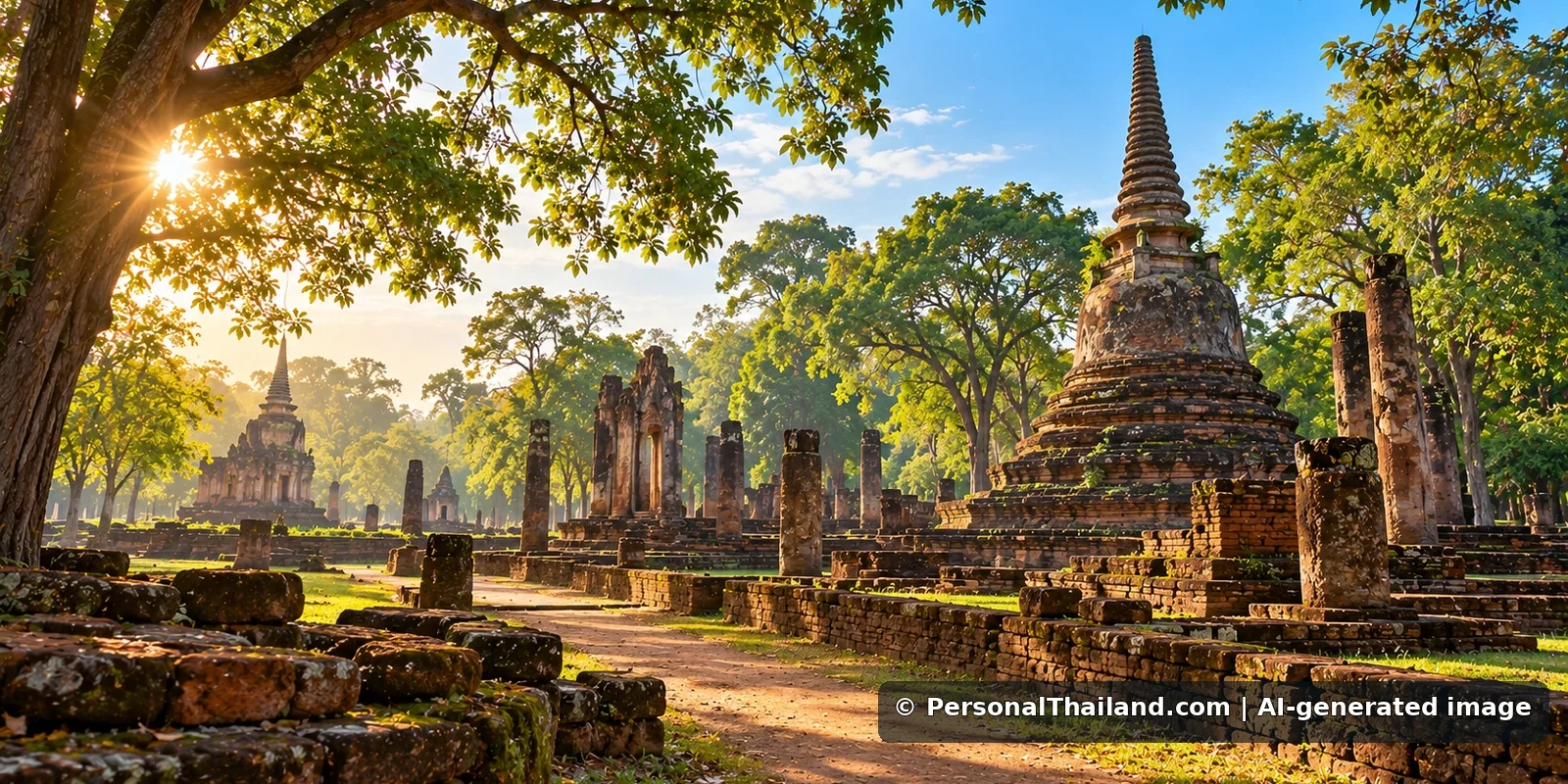
Ancient walls, laterite structures, brick foundations, stupas and traces of former monasteries are among the main features. Tourism Authority of Thailand describes the park as including temple complexes and the Aranyik forest-monastery area beyond the old town’s core.
Wat Phra Kaeo is one important part of the historic setting. Its old structures can be appreciated for their layout as much as for individual carvings or photographic angles. The site is not a modern functioning shopping or entertainment district; it deserves time and some care underfoot.
Another useful stop is Wat Phra Si Iriyabot, also known as Wat Phra Yuen. The Tourism Authority describes stone images associated with four Buddhist postures: walking, standing, sitting and reclining. Seeing the architectural context helps explain why a ruined monastery can still be significant even when much of its original structure has disappeared.
How to visit without rushing
Allow a substantial part of a day for the historic area, and more if you enjoy museums, photography or slower walking. Paths may be exposed to sun, uneven or slippery after rain. Carry drinking water, wear shoes with reliable grip and take a break rather than trying to cover every monument in the hottest part of the afternoon.
Consider the distinction between the historic park’s different zones. Checking a map beforehand is useful: not every monument is clustered around one entrance. If you hire a driver, clarify which sections you intend to visit and how much waiting time is included.
Admission charges and opening arrangements should be confirmed shortly before arrival. Even official listings can contain conflicting prices, so this guide deliberately does not quote a single amount that might mislead visitors.
A river town, not just a collection of stones
Kamphaeng Phet’s location beside the Ping River shaped its history. After exploring the park, spend a little time in the contemporary town, visit a local food market and appreciate the contrast between the archaeological landscape and ordinary daily life. A good trip does not need to be a checklist of monuments.
If you are also travelling to Sukhothai, these destinations can form a broader heritage-focused route. However, it is worth keeping separate time for each site. The UNESCO label links them historically; it does not mean they are next door to one another or share the same ticket arrangements.
Respect the heritage landscape
Do not climb fragile masonry for photographs or remove loose pieces, stones or artefacts. Follow signs and any barriers, even if other visitors seem less careful. Some surviving buildings and religious images still carry cultural meaning. Dress respectfully and avoid interrupting people who have come to make merit or pay respect.
If taking photographs of local people or working conservators, ask permission first. For drones or commercial shoots, check the park authority’s rules instead of assuming that an outdoor location is unrestricted.
Frequently asked questions
Is Kamphaeng Phet itself a UNESCO World Heritage site?
Its historical park is part of a UNESCO World Heritage property that also includes Sukhothai and Si Satchanalai.
Is a visit worthwhile without a guide?
Yes. Reading a little about the Sukhothai kingdom before arrival and taking time at interpretive signs can help. A knowledgeable local guide may deepen the experience.
How long should I allow?
A half day can introduce the main sights, but a more leisurely visit is better for anyone particularly interested in temple ruins and photography.
Official sources
- UNESCO — Historic Town of Sukhothai and Associated Historic Towns
- TAT — Kamphaeng Phet Historical Park
- TAT — Wat Phra Si Iriyabot
Featured image disclosure: AI-generated editorial illustration. It is not an authenticated documentary photograph of the exact named attraction.
Practical note: Entrance fees, boat schedules, access restrictions, weather and transport arrangements may change. Confirm time-sensitive details directly.





awesome