Last checked: November 2, 2026. Thai rules change often, so always confirm with the official source before you travel or apply.
The old headline, “It is time to run from Thailand,” captured the panic of a disrupted travel day. It urged readers to book seats quickly before flights, buses and trains filled. When I think about leaving Thailand during unrest now, I start with a calmer question: where am I, what is actually disrupted, and which route is confirmed open? A rushed booking can strand a person farther from help.
Leaving Thailand during unrest: verify before moving
Check your government’s current travel advice and a reliable local announcement for the exact area affected. A protest in one part of a city does not automatically close every airport, station or road. Equally, a flight shown as “on time” hours earlier may change. Use the airline’s app or official contact channel, not a forwarded screenshot. If you are already at a hotel, ask staff about local access and transport without expecting them to predict political events.
Do not go to a protest to see what is happening. Crowds, police lines and traffic closures can change quickly. Give yourself space to move away and avoid filming individuals at close range. If you are told to shelter where you are, do not take a taxi through a blocked area just because a driver says it should be fine.
Keep the essentials together
I put passport, medication, phone, power bank, insurance details and a small amount of cash in a bag I can carry. Photograph key documents for my own records and store copies securely. Note the address of the accommodation in Thai. Tell one trusted person where you are, what route you plan to take and when you will check in again. A simple message is more useful than posting a dramatic public update every ten minutes.
If you are travelling with a child, older relative or someone with a disability, consider their needs before changing hotels or airports. A theoretically faster route is not better if it lacks safe transport or necessary care. Keep enough essential medication to cover a delay and contact the prescribing clinician if supplies become an issue.
Airports, airlines and alternatives
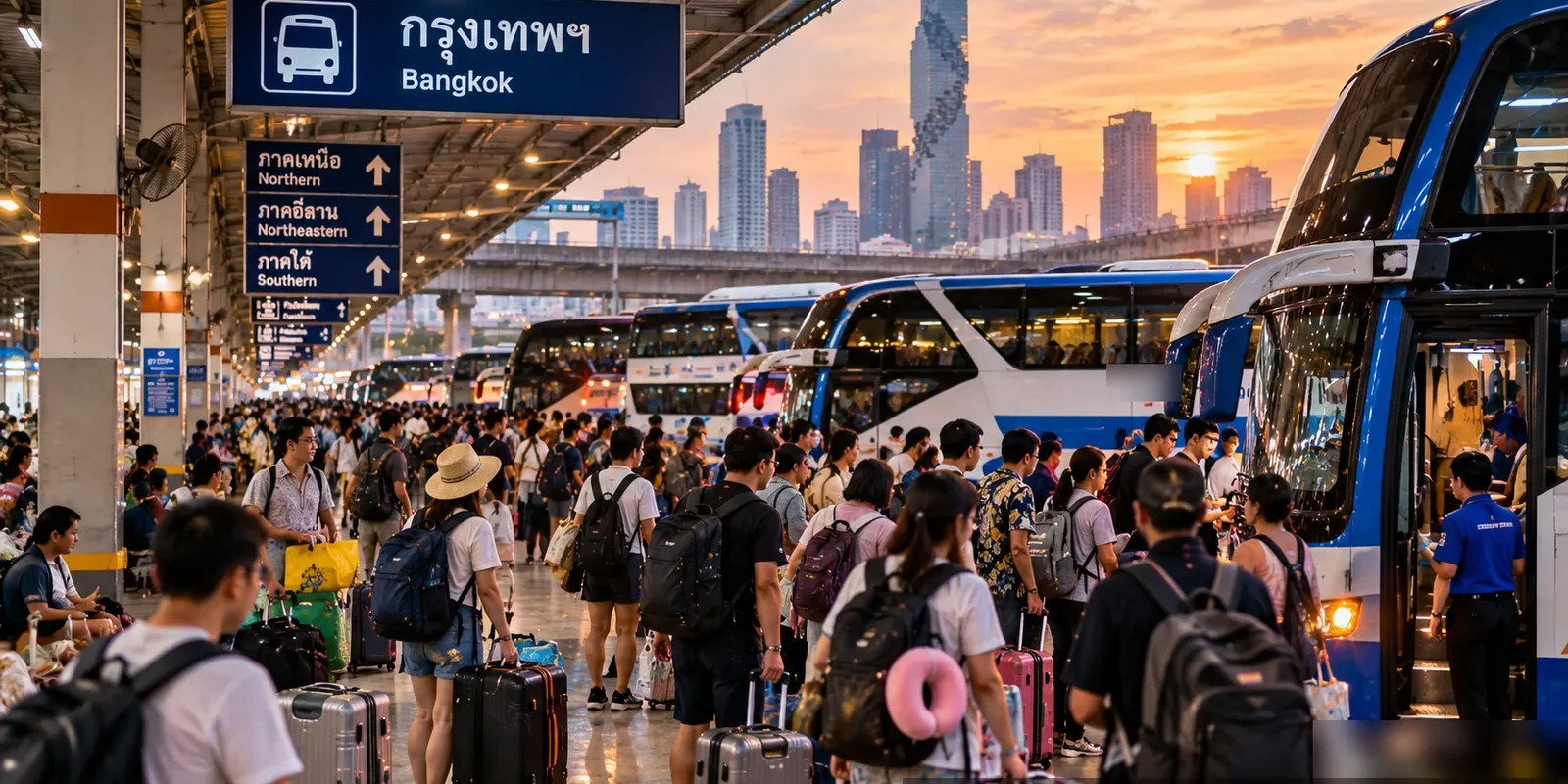
Contact the airline before buying a replacement ticket. Ask whether the original flight is operating, whether a waiver or rebooking option exists and how checked baggage will be handled. Keep all messages. If one Bangkok airport is disrupted, do not assume the other has spare seats or a safe road connection. Check both the flight and the journey to it. For domestic travel, train and bus options may be useful, but only if their stations and routes are operating.
Thailand’s aviation regulator publishes passenger-rights information for covered cancellations and delays. Which rules apply depends on the route and circumstances. Our flight safety and booking guide helps with the questions to ask an airline. A travel insurer may also need evidence of the disruption before paying a claim.
Your embassy and local help
Find your embassy’s current emergency contact and any registration or travel-update service it offers. An embassy can share advice and consular help, but it cannot guarantee a seat on a commercial flight or override local restrictions. If you are detained or injured, ask how to contact your consulate and seek appropriate legal or medical help. In an immediate emergency, use local emergency services.
Beware of messages promising a “special evacuation list” in exchange for payment or passport details. Verify any offer against the embassy’s official site or a phone number you found independently. During uncertainty, scams spread as quickly as rumours.
When staying put is the safer choice
Sometimes the sensible decision is one more night in a secure hotel, away from the affected area. Ask about food, water, power and a way to contact staff. Keep your phone charged and monitor official updates at intervals. Reconsider when you have confirmed transport, rather than reacting to every new post. This does not mean ignoring a genuine warning; if authorities direct evacuation or the location is unsafe, follow the appropriate instructions.
The original article’s urgency came from a real human fear of being trapped. I understand that feeling. A practical exit plan is still better than a race to a station. Know the route, keep proof of your bookings and give the people travelling with you time to make the journey safely.
FAQ
Should I book the first flight I see during unrest?
Confirm that the flight and route to the airport are operating, and ask your original airline about rebooking. A costly new ticket may not solve a road closure.
Can my embassy arrange transport out?
Consular services vary. Check your embassy’s official advice and emergency contact. Do not assume it can replace commercial travel.
What if airport information conflicts with social media?
Use official airline and airport updates and ask for written confirmation. Social posts may be old or refer to a different terminal or day.
What should I tell family at home?
Share your location, confirmed plans and next check-in time. A calm update helps them more than repeating every unverified rumour.
More from Personal Thailand
If you enjoy practical reporting and personal perspectives on Thailand, you can support my work and explore member-only content through either platform:
- Subscribe to Personal Thailand on X — creator membership with access to applicable subscriber-only posts and benefits.
- Join or support Personal Thailand on Buy Me a Coffee — browse available memberships and support options.
These are separate services with different charges and membership benefits. Paid access may be required; subscribing on one does not automatically grant access on the other. The main information in this article is free to read above.