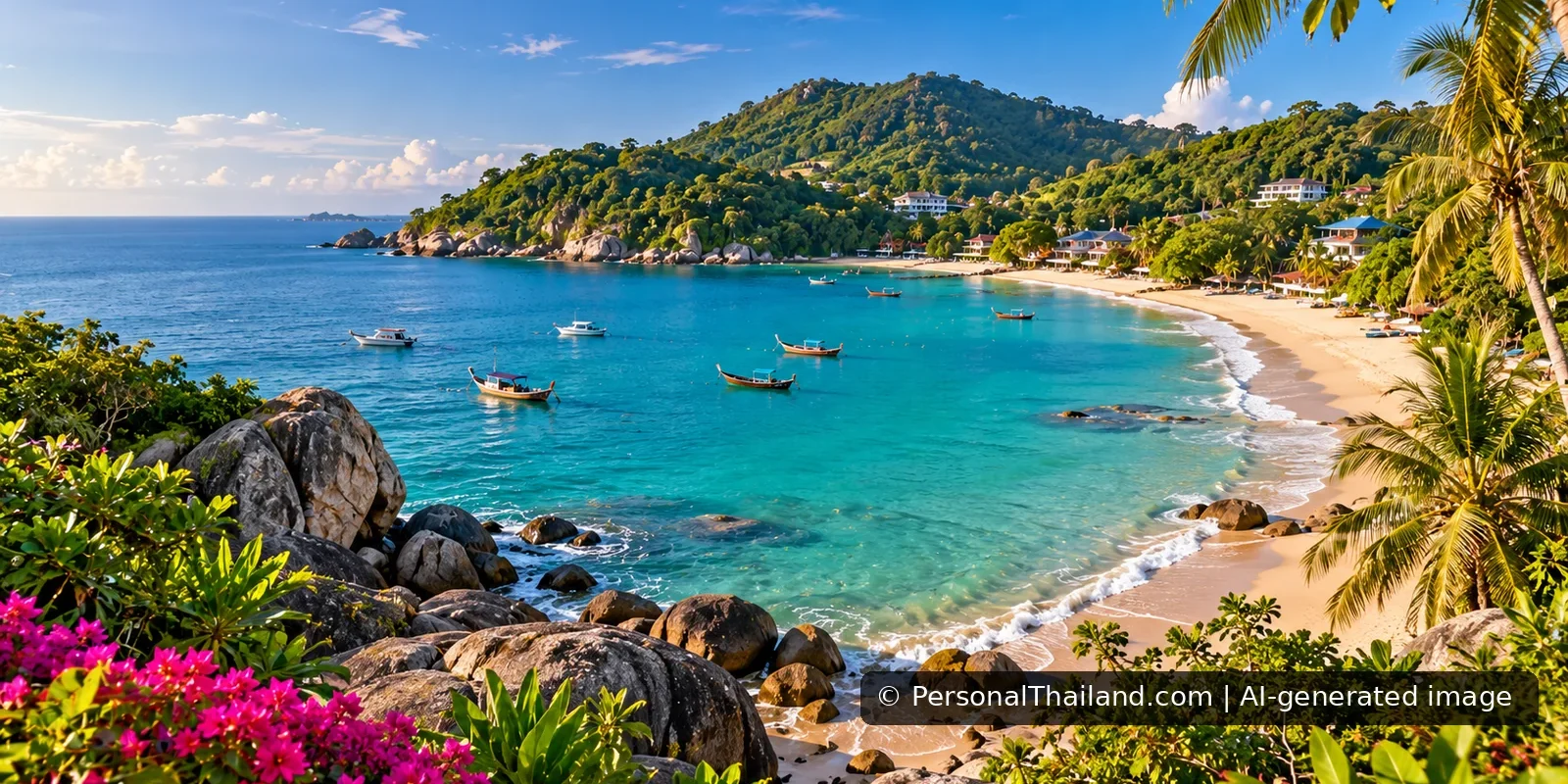
Phuket combines Andaman Sea beaches, a well-established visitor infrastructure and a town shaped by trading and mining history. It is Thailand's largest island and the center of the province of the same name, but it is not one uniform resort. Where you stay can substantially change the feeling of a trip.
A beach holiday around the busier western stretches will differ from a quieter coastal stay or a visit focused on Phuket Old Town. The Tourism Authority of Thailand lists beaches such as Patong, Kata, Karon, Kamala, Rawai and Mai Khao, while also highlighting historic architecture and multicultural influences. Use these contrasts to choose a base rather than assuming that every photograph of turquoise water shows the same part of the island.
Choose an area that fits your trip
Patong suits travelers who prioritize activity and developed tourism services, but its busiest parts are not everyone's idea of a peaceful beach. Kata and Karon are often considered by visitors who want an established beach setting with nearby accommodation and food. Northern areas can feel less built up, although their suitability depends on specific location and transport needs.
Check the exact position of a hotel: a listing advertised as being in Phuket may be a long drive from the beach you intend to visit. Hills, traffic, weather and road layouts affect practical distances. Maps and current hotel details are more useful than relying on a general 'ten minutes from everything' promise.
Beach safety comes before postcard views
Andaman beaches can have strong currents, waves or dangerous conditions even when the sky is bright. The tourism authority expressly reminds visitors to watch for red flags. Treat posted warning flags and lifeguard guidance as real restrictions, not suggestions to be tested by a confident swimmer.
Conditions vary by beach, season and day. Do not infer that a bay is safe because boats are present, because swimmers were photographed there earlier, or because another nearby beach looks calm. Avoid entering the water when warning signs indicate danger, and follow operator and official instructions for any boat trip.
Give Old Phuket Town its own time
Phuket's historic town district offers an alternative to coastal sightseeing. The Tourism Authority of Thailand describes streets such as Thalang, Dibuk, Phang Nga and Soi Romanee, shaped by Chinese and other communities associated with trade and tin mining. Colorful shop houses, local eateries and markets create a different pace from the beach resorts.
A morning walk may be more comfortable in hot weather. Respect residents and private doorways when photographing the architecture. Market arrangements and individual shops can change; check directly for any Sunday or evening event rather than treating old opening-hour listings as permanent schedules.
Do not confuse Phuket with nearby islands
Phuket is a useful base for coastal travel, but popular excursions may visit islands in surrounding waters rather than places on Phuket itself. Verify the destination and travel time with the operator before buying a ticket. A boat description that sounds similar to another resort's name does not mean you will be departing from the same pier.
For any boat activity, check weather forecasts and local warnings, ensure the operator supplies appropriate life jackets, and ask about cancellations if conditions deteriorate. Protected marine areas may have access rules and seasonal restrictions. Do not rely on a decades-old itinerary to decide whether a trip is operating on your dates.
Transport and the realities of distance
Phuket International Airport serves the island, but the journey from the airport to different coastal districts can vary substantially. Work out your transfer before arrival, including the correct accommodation entrance and whether your driver has a clear destination. Public transport and arranged transfers serve different needs; compare actual options available for your route.
Motorcycle rental may look convenient, yet traffic, unfamiliar road conditions and insurance exclusions create real risks. Do not ride without the appropriate license, equipment and confidence. If you plan to drive, clarify insurance coverage and rental conditions rather than assuming a passport deposit offers protection.
Food and local culture
Phuket's long interaction with traders is reflected in local cooking, shrines and festivals. The tourism authority notes strong Chinese cultural influences and also the diversity of communities on the island. Enjoying this side of Phuket takes more than stopping at one market: ask local businesses about regional dishes and choose places where food is handled carefully.
If you plan to attend a festival, look up the confirmed dates and specific event guidance for the year you will travel. Do not copy dates from an old guide. Local ceremonies are important to participants; observe respectfully and check whether photography is welcome.
A balanced Phuket itinerary
For a three-day first visit, allocate one day to a beach and nearby neighborhood, another to Old Phuket Town or a cultural activity, and a third to a viewpoint or water excursion only if conditions are suitable. This leaves room for weather changes rather than making the whole trip dependent on a boat booking.
Phuket's appeal is its range, not a guarantee of year-round swimming weather or uninterrupted sunshine. Choose your base carefully, give the old town attention and make safe decisions about sea and road conditions. Those details will shape your trip far more than any single list of highlights.