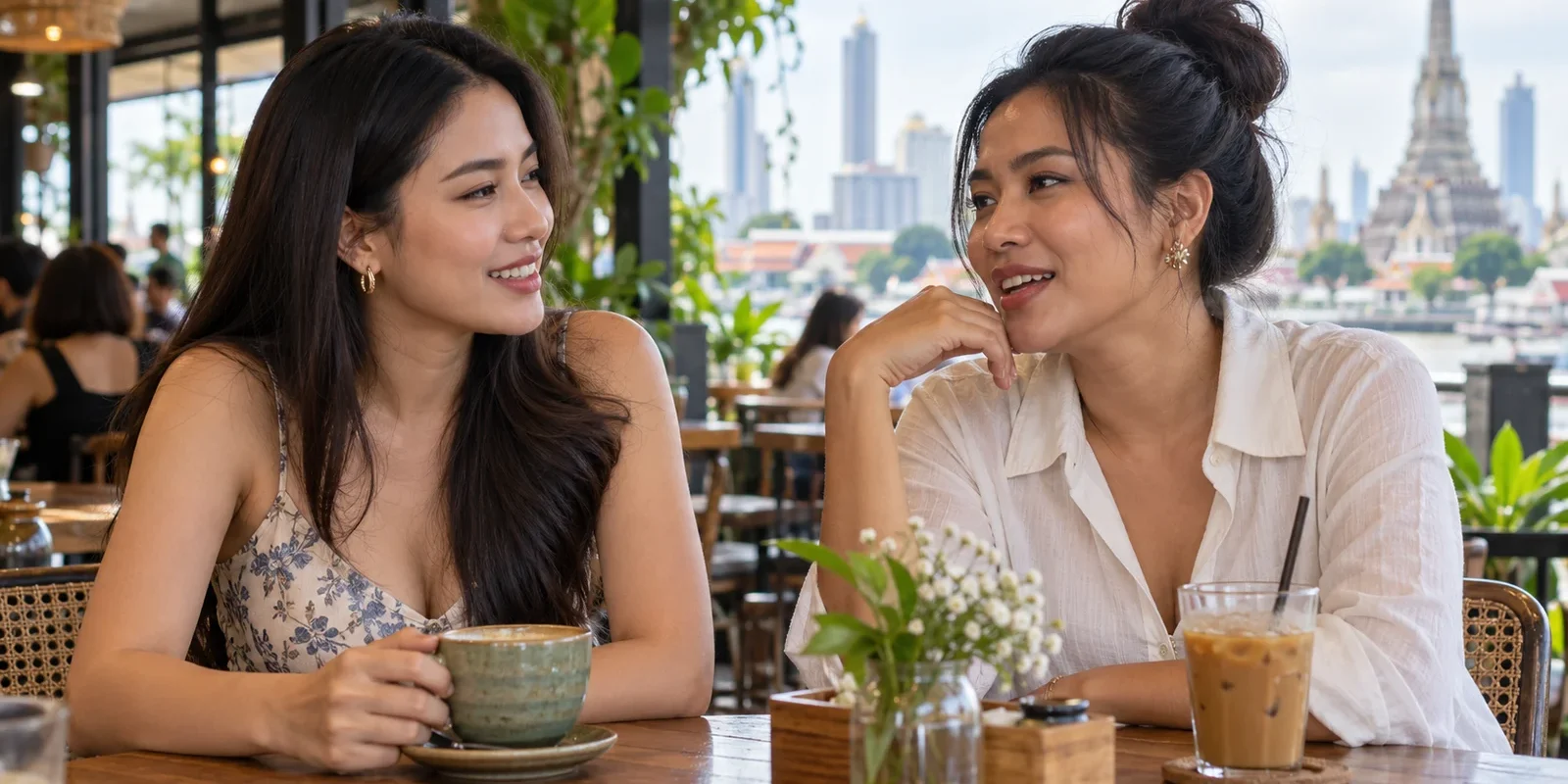
Beauty can be personal, playful and enjoyable, but it becomes uncomfortable when someone treats a partner’s appearance as a project to manage. I do not want a discussion of Thai beauty standards to become a checklist of how a Thai woman should look. A more useful conversation leaves room for different tastes, changing styles and the person’s own choices.
Updated 31 October 2026: This older page has been rewritten. Historical events and past advice should not be read as current alerts or rules. For our latest updates, follow @PersonalThai on X (Twitter). For decisions involving laws, visas, health or safety, also check the responsible authority.
The old question asked the wrong thing
The earlier title asked how “your Thai girl” looks. This rewrite concerns adult women and moves away from language suggesting ownership. A partner is not a visual category, and her appearance does not need to match someone else’s idea of Thailand.
There is also no single standard followed by every Thai woman. Advertising, family comments, social media and personal preference may all influence someone, but their effects differ. I would avoid turning one trend or a handful of photographs into a claim about what an entire country finds attractive.
This article offers a way to talk about appearance respectfully. It does not rank skin tones, bodies or facial features, and it does not recommend treatments or products.
Thai beauty standards: a preference is not a demand
You can find a style attractive without making it a condition another person must meet. A compliment about a chosen outfit is different from repeatedly telling a partner to change her body. Pay attention to whether the conversation leaves her feeling appreciated or inspected.
Ask before giving advice about hair, makeup or clothing. If someone is excited about trying a new look, listen to what she wants from the change. If she is not asking for feedback, an unsolicited improvement plan may not be welcome.
I would be especially careful with comparisons to former partners, celebrities or edited images. They rarely help a person feel seen as themselves. Notice real choices and qualities rather than measuring how closely someone matches an external model.
Be thoughtful about skin-tone comments
Comments about being lighter or darker can carry meanings beyond a casual observation. Do not assume a woman welcomes an opinion about her skin because you consider it a compliment. Ask yourself whether the remark is necessary and how it might feel when repeated by many people.
Avoid presenting one complexion as more refined, desirable or authentically Thai. Those claims turn appearance into a hierarchy and can reinforce unfair treatment. A person’s worth and identity are not determined by how they compare with an advertisement or another family member.
If someone wants to discuss pressure about skin tone, listen without immediately prescribing a solution. You can support their autonomy while encouraging qualified advice for any health-related decision. A relationship conversation should not become an unqualified skincare consultation.
Understand the limits of online images
Lighting, posing, filters and editing can change how a photograph looks. An image may be a creative presentation rather than a record of ordinary daily appearance. Comparing a real partner at breakfast with a carefully produced portrait is not a fair comparison.
If a social feed leaves someone feeling inadequate, discuss how it is affecting them without criticising their interests. They may enjoy fashion and beauty content while also wanting a break from constant comparison. Those feelings can coexist.
Do not demand access to private accounts to monitor what a partner follows. Support means helping them make choices they want, not replacing one source of pressure with another.
Respect time and money spent on appearance
People have different priorities for clothing, grooming and beauty services. Discuss shared finances honestly if spending affects a joint budget. Keep the conversation about affordability and agreed responsibilities rather than accusing someone of vanity because their interests differ from yours.
Equally, do not expect a polished appearance while dismissing the time and cost involved. If you want to attend a formal event together, discuss the plans early so neither person feels rushed or judged. Let each choose clothing that is comfortable and appropriate for them.
For shopping decisions, my budget shopping guide encourages comparing quality and actual cost. A low price or a prestigious label does not determine whether an item makes sense for your life.
Health decisions belong with qualified professionals
Cosmetic procedures, injections and strong products can involve medical risks. If someone is considering a treatment, encourage an independent consultation with an appropriately qualified professional and time to understand alternatives, risks and follow-up. Do not pressure a partner to proceed as a gift to you.
Avoid treating a promotional photograph or influencer story as a complete explanation of a procedure. A person’s medical history and expectations matter. This page cannot assess whether a treatment is suitable or endorse a provider.
Support includes accepting a decision not to change anything. The person does not need to justify keeping a feature that someone else thinks could be improved.
Compliment more than appearance
Notice humour, judgement, kindness, skill and effort. A relationship in which every compliment concerns looks can make affection feel conditional on maintaining them. People change with age, illness, work, pregnancy and ordinary life; respect should not depend on a fixed image.
Ask what makes the person feel comfortable and confident. The answer may involve clothing, rest, privacy or being free from comments altogether. My guide to caring for a partner respectfully focuses on listening rather than assuming what support should look like.
FAQ
Is there one Thai beauty standard?
No single description can represent every person. Trends and social pressures exist, but individuals respond differently. Avoid using a general impression as a rule for how a Thai woman should dress, look or feel about herself.
Is it wrong to compliment someone’s appearance?
No. A sincere, welcome compliment can be kind. Keep it respectful and avoid comparisons or suggestions that the person would be better if they changed something. Notice whether they seem comfortable with the attention.
How should I respond if a partner wants cosmetic treatment?
Listen to their reasons and support an informed, independent decision. Encourage qualified professional advice and time to consider the risks. Do not make the treatment a condition of affection or dismiss their feelings without hearing them.
What if appearance-related spending affects our budget?
Discuss the shared financial issue directly and apply fair standards to both people’s interests. Agree on limits and priorities without mocking the activity. The aim is a workable budget, not control over another adult’s appearance.
More from Personal Thailand
If you enjoy practical reporting and personal perspectives on Thailand, you can support my work and explore member-only content through either platform:
- Subscribe to Personal Thailand on X — creator membership with access to applicable subscriber-only posts and benefits.
- Join or support Personal Thailand on Buy Me a Coffee — browse available memberships and support options.
These are separate services with different charges and membership benefits. Paid access may be required; subscribing on one does not automatically grant access on the other. The main information in this article is free to read above.